If you spent any time on social media immediately after the final bell of the Gervonta "Tank" Davis vs. Lamont Roach showdown, you probably thought you witnessed the robbery of the century.
Boxing Twitter was in full meltdown mode. Casual fans were declaring the sport dead for the 4,000th time this year, and outraged commentators were shouting that Lamont Roach was systematically deprived of his crowning moment.
But let’s take a deep breath, put away the pitchforks, and talk about what actually happened inside that ring.
Was Lamont Roach impressive? Absolutely. Did he shock the world by standing toe-to-toe with one of the most terrifying punchers in boxing? 100%.
Did he win the fight? No.
A draw was the absolute right call, and if you take off the "expectation bias" goggles, the math and the boxing optics tell a crystal-clear story.
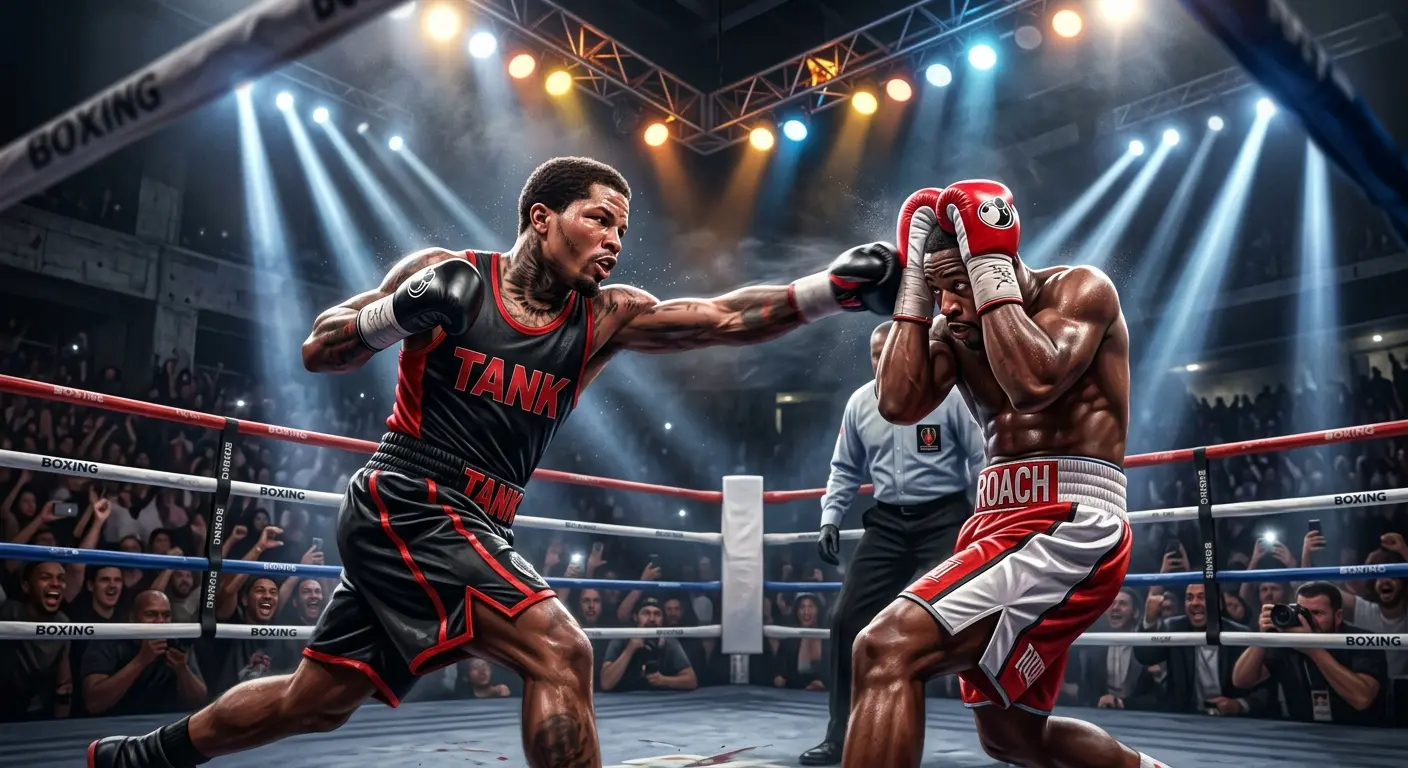
The "Expectation Bias" Trap: Great Performance ≠ Winning the Fight
To understand why so many people feel Roach won, we have to talk about human psychology.
Going into this fight, almost nobody gave Lamont Roach a realistic chance. Most casual fans expected Tank Davis to do what Tank usually does: spend four rounds looking bored, download the data, and then detonate a nuclear left hand that sends his opponent straight into next week.
Instead, Roach came out with a masterclass in defense and counter-punching. He matched Tank power for power in spots, skill for skill in others, and refused to be intimidated. He completely shattered everyone's pre-fight expectations.
And that’s precisely where the bias crept in.
When a massive underdog overperforms so dramatically, our brains naturally want to reward them with the win. We confuse "he did way better than we thought" with "he actually won seven rounds."
Roach put up tremendous resistance. But resisting an opponent and actually beating them are two completely different sports.
The Controversy: The Knee That Should Have Been a Knockdown
Let’s address the elephant in the ring: the knee.
At a crucial point in the fight, Gervonta Davis was forced to take a knee. It was clear, it was obvious, and by every rule in the Marquess of Queensberry handbook, it should have been scored a knockdown for Lamont Roach.
The referee dropped the ball there. Plain and simple.
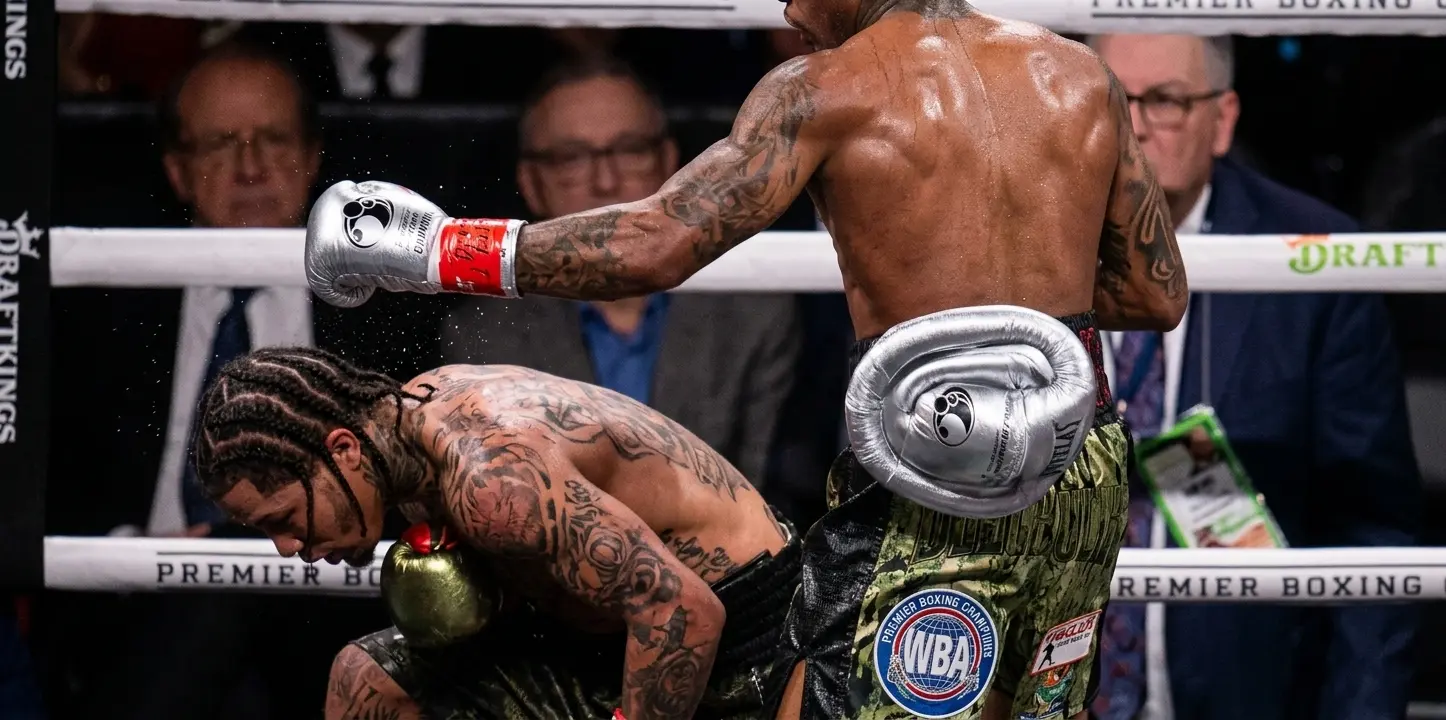
If Roach had been awarded that 10-8 round, does it change the outcome to a win for him?
Still no. And here is why:
If you take that uncredited knockdown out of the equation, Gervonta Davis was winning the fight on pure ring generalship and effective aggression. Without that knockdown scored, Tank was on track for a razor-thin split decision win.
When you factor the mandatory 10-8 knockdown round in (where it rightfully belonged), it swings the entire scorecard back into balance. It turns a micro-margin Tank victory into a split draw.
The knockdown didn’t happen in a vacuum that magically wiped out Tank's higher work rate across twelve rounds. It was a singular moment of adversity for Davis—one he immediately recovered from.
Once Tank got back up, he didn't panic. He went right back to doing what he does best: initiating the exchanges, controlling the center of the ring, and landing the heaviest, most damaging punches of the night.
The Pure Reactive Fighter: The Structural Flaw in Roach’s Game
Why does Lamont Roach keep finding himself on the wrong end of close decisions? To answer that, you have to look at his fundamental fighting style.
Roach is an elite reactive counter-puncher. He waits for his opponent to make a move, slips or blocks, and fires back.
Now, being a defensive fighter isn't a crime in boxing. Look at Shakur Stevenson. Shakur is one of the premier defensive wizards in the sport, but when you watch his masterclasses against fighters like Teofimo Lopez or Jamel Herring, Shakur isn't just reacting—he's controlling the distance, pumping a jab, and dictating the entire tempo. He defends and outputs.
[ Reactive Counter-Puncher (Roach) ] ──► Waits for Opponent ──► Single Counter Punch
[ Proactive Defensive Wizard (Shakur) ] ──► Dictates Distance ──► Jab + Multi-Punch Output
Roach doesn't do that. He enters the ring with a defense-first mindset that borderlines on survival over victory.
He waits for the opponent to trigger the action before he responds. Against top-tier volume or power throwers, that style creates a massive math problem on the judges' scorecards:
Against William Zepeda: Zepeda threw 3- and 4-punch combinations, hit Roach's guard, and Roach would respond with a single, sharp counter-punch. Even if that single counter landed, a judge sees 4 punches thrown vs. 1 returned. You simply cannot win rounds consistently on one-punch responses.
Against Pitbull Cruz: Pitbull pressed the action, and while Roach made him miss and frustrated him, Roach never capitalized with enough volume of his own. Result? Another draw where neither man took charge.
Zepeda/Tank Output:  Punch ➔ Punch ➔ Punch ➔ Punch  (Dictating the Round)
Roach Counter:                                 ↳ Single Counter  (Losing on Volume)
Against Tank Davis, the exact same pattern repeated. Roach countered well, but he missed a fair number of those counters, too. Meanwhile, Tank was landing the heavier blows and throwing more total volume.
The Verdict: What Lamont Roach Needs to Fix Next
Lamont Roach is a insanely talented fighter. To stand in front of Gervonta Davis for 12 rounds and make it competitive takes immense skill, heart, and a chin made of tungsten.
However, Roach hasn't picked up a victory in his last three outings. That isn't bad luck or biased judging—it’s a design flaw in his game plan.
If Roach wants to step into the elite tier and secure world titles, he needs to transform from a purely reactive counter-puncher into a proactive ring controller.
He has to take control of rounds once in a while instead of waiting for permission from his opponent.
A draw against Tank Davis was a fair, accurate, and balanced reflection of what happened in that ring. Tank brought the power and volume; Roach brought the defense and the night's biggest moment of adversity.
A split draw was the right call—and both men left the ring with their reputations intact!