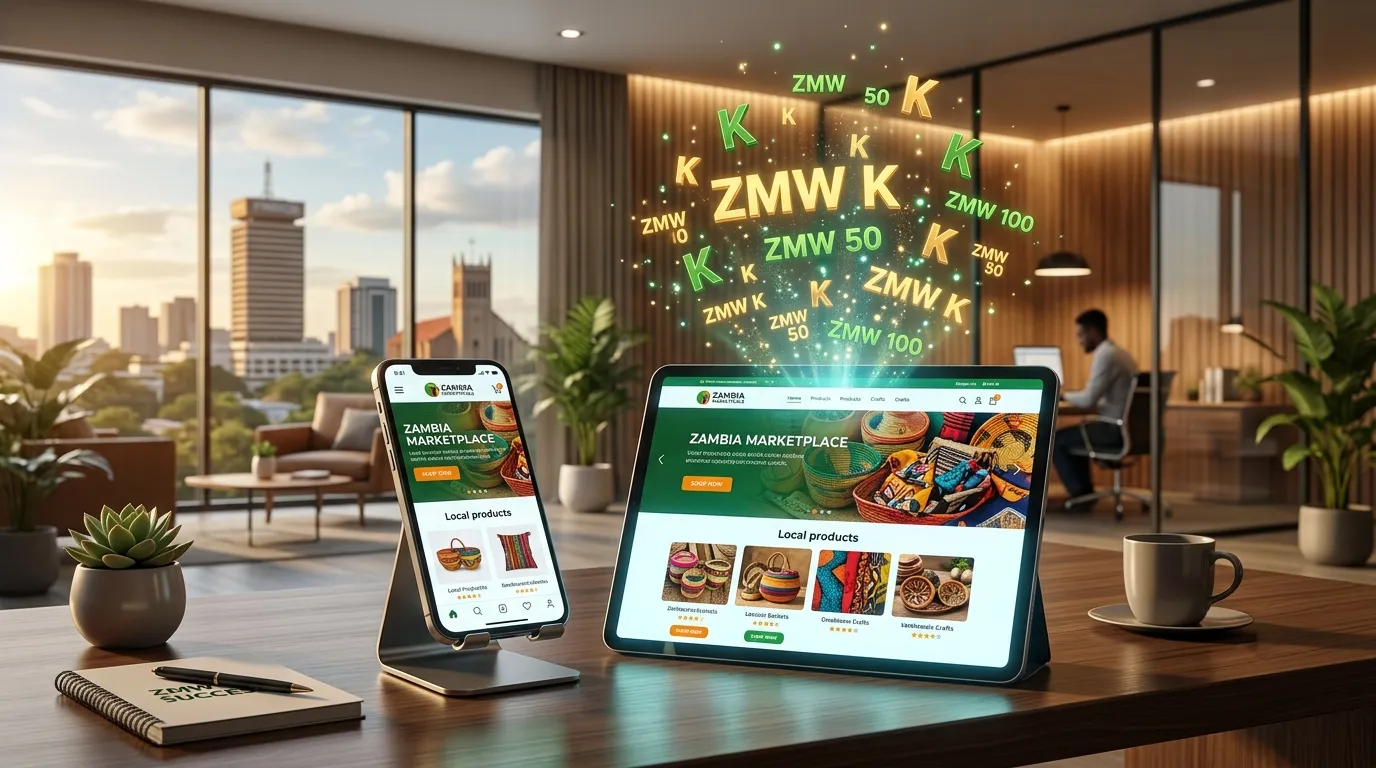
Introduction: The "Digital Market Stall" Reality
Imagine you decide to set up a modern retail store in an upmarket shopping mall in Lusaka. You invest in sleek display shelving, stock high-demand goods, and hire friendly sales representatives.
Now, imagine that when your customers walk up to the cash register to pay, your cashier tells them: "Sorry, we only accept payment in rare foreign currency via an international wire transfer from a bank most of you don't use. Cash, local bank cards, and mobile wallets are not allowed."
How many customers do you think will walk out of your shop, leave their items on the counter, and never return? Ninety-nine percent of them.
Yet, astonishingly, thousands of Zambian entrepreneurs launch online stores every year making this exact mistake. They build a stunning website, but choose an e-commerce platform that doesn't support local payment gateways, ignores mobile shoppers, or charges excessive monthly US-dollar subscription fees that eat straight into their profit margins.
If you want to sell physical products, digital goods, or subscription services online, choosing the right infrastructure is everything. Let’s break down the best e-commerce platforms for Zambian businesses in 2026, comparing WooCommerce, Shopify, and custom solutions so you can pick the winner for your business model.
What Makes an E-Commerce Platform Work in Zambia?
Running an online store in Lusaka, Kitwe, Ndola, or anywhere else in Zambia comes with unique local requirements that generic global reviews often ignore. A platform isn't just about how pretty the templates look; it has to solve four local realities:
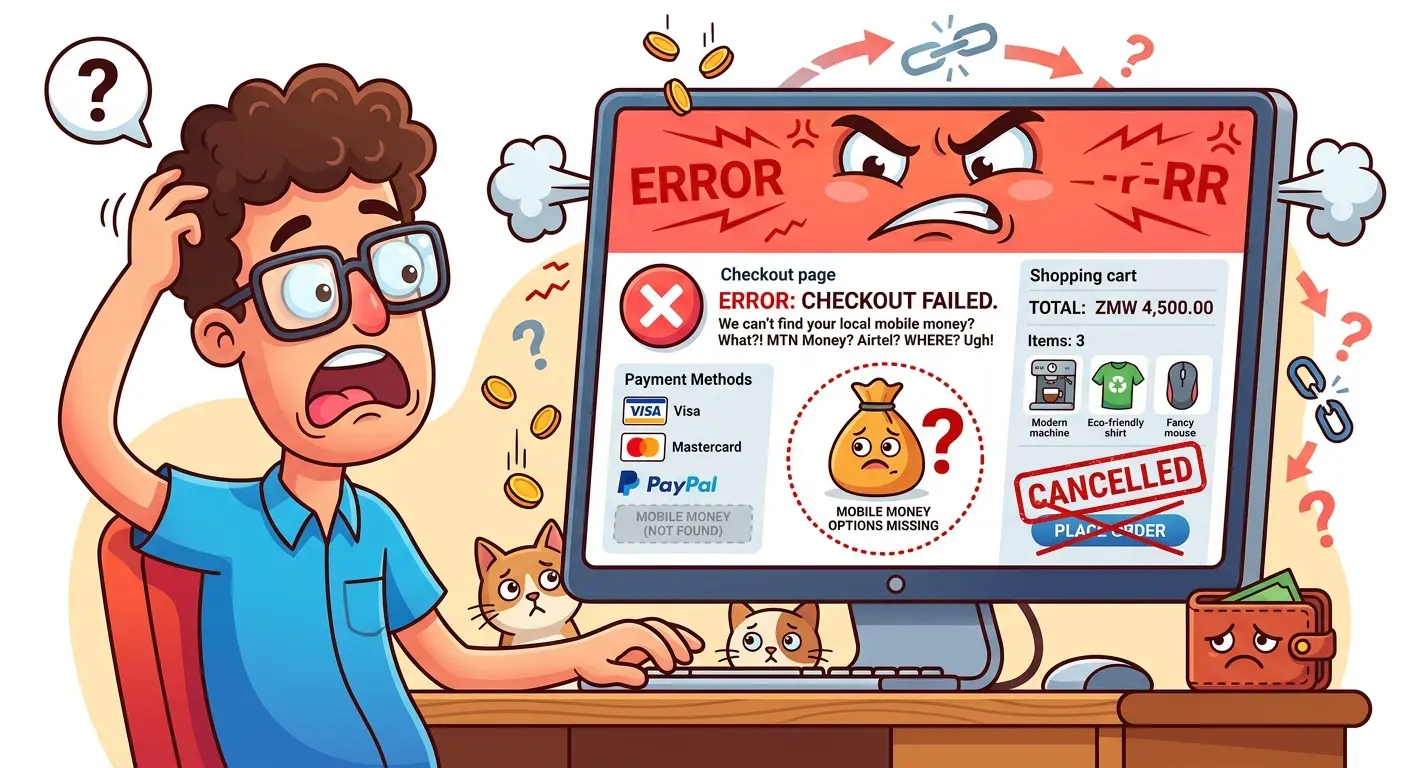
Mobile Money & Local Payment Integration: The vast majority of digital transactions in Zambia run through Airtel Money, MTN Mobile Money, Zamtel Kwacha, and local debit cards (Zamlink/Visa/Mastercard). If your e-commerce checkout doesn't integrate smoothly with these gateways, your sales conversion rate will flatline.
Mobile-First Responsiveness: Over 80% of online browsing and purchasing behavior happens on mobile smartphones, often under fluctuating mobile network conditions. Your store must load instantly on mobile.
Shipping and Logistics Flexibility: Delivering goods across different Zambian provinces requires customizable flat-rate shipping zones, local courier pickups, or location-based delivery calculations.
Cost Predictability: Managing operational overhead in Zambian Kwacha without getting crippled by unexpected foreign exchange fluctuations or rigid US-dollar monthly software subscriptions is a major priority for small-to-medium enterprises.
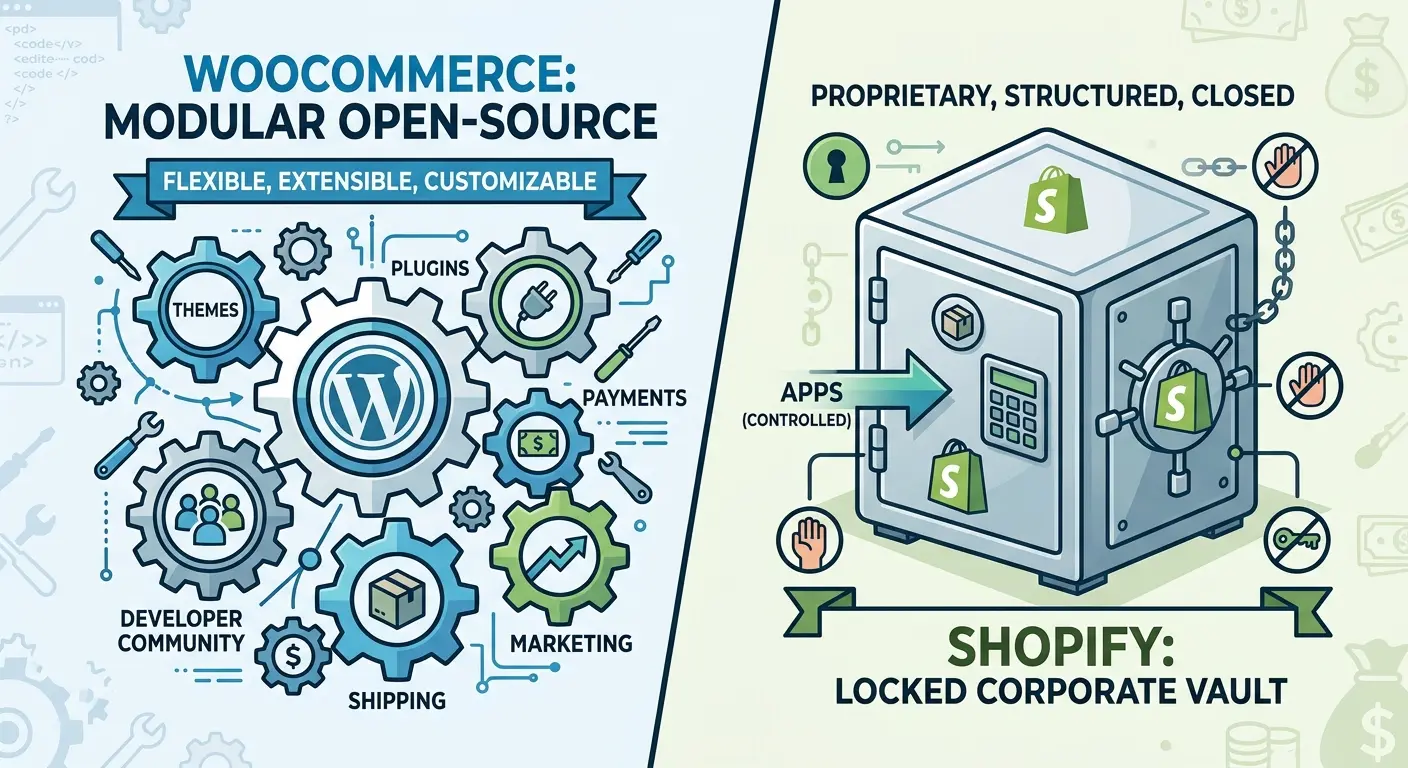
Contender 1: WooCommerce (The WordPress Retail Engine)
WooCommerce is not a standalone platform; it is a powerful e-commerce plugin built on top of WordPress, turning a standard website into a fully functional online store. Globally and locally, WooCommerce powers a massive share of independent online shops.
Why WooCommerce Thrives in Zambia:
Zero Monthly Software Subscription Fees: Unlike hosted builders, WooCommerce core software is 100% free and open-source. You don't pay a monthly SaaS tax just to keep your store open. You only pay for your web hosting and domain.
Complete Local Payment Flexibility: Because WooCommerce is open-source, local developers can easily integrate Zambian payment gateway APIs (such as DPO Group, Flutterwave, or direct mobile money merchant integrations) straight into your checkout page.
Full Ownership of Data: You own your customer database, product catalogues, and financial records entirely. Your data sits on your own secure database.
Unmatched SEO and Content Integration: Because it sits on WordPress, you get world-class blogging and SEO tools out of the box, making it easy to rank your products on Google search when local buyers look for your items.
The Catch:
Because you have complete freedom, you are also responsible for your own site maintenance. If you don't update your plugins regularly or choose cheap, slow web hosting, your store can experience downtime or security vulnerabilities.
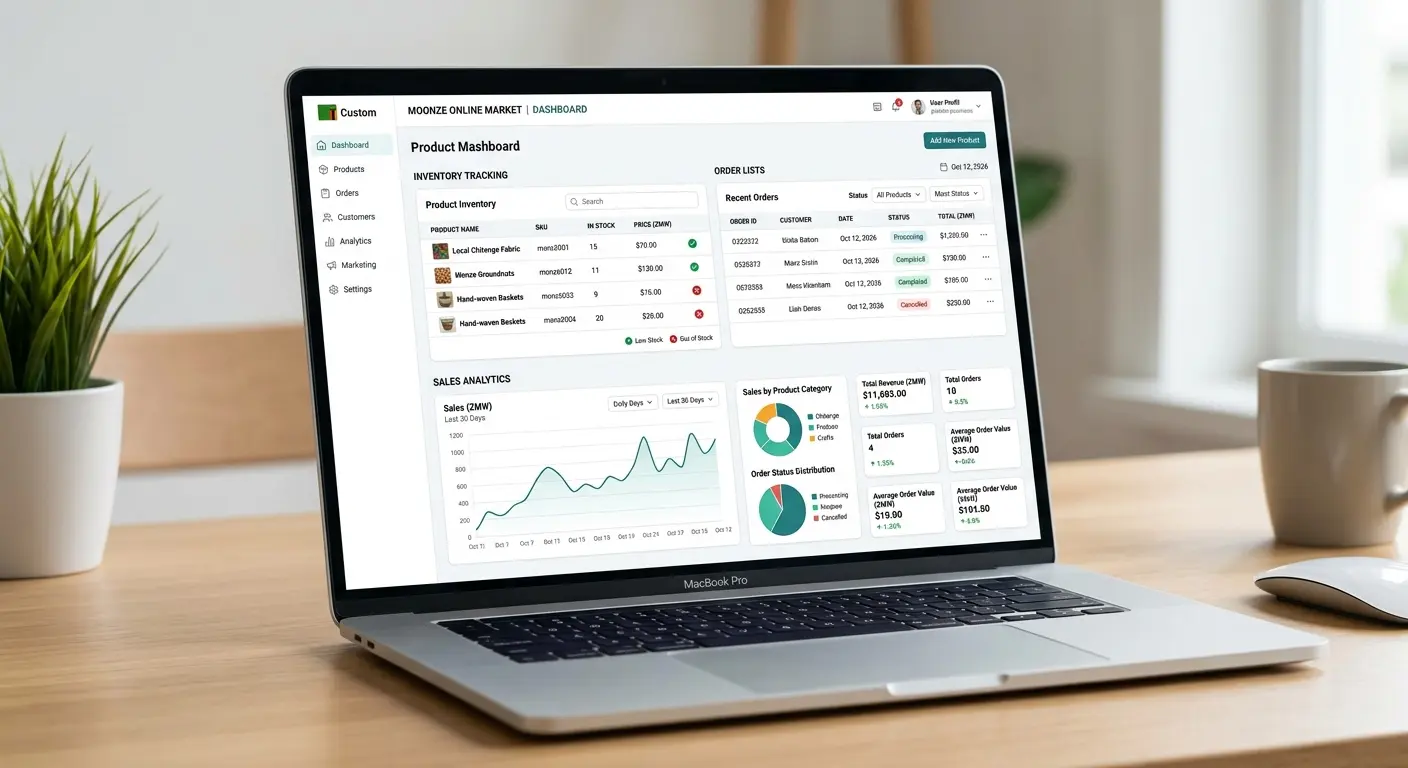
Contender 2: Shopify (The Global Hosted Powerhouse)
Shopify is a premium, hosted e-commerce platform designed purely for online retail. It handles your server hosting, security certificates, and software updates behind the scenes in a closed ecosystem.
Why Businesses Look at Shopify:
Plug-and-Play Simplicity: You don’t need to worry about hosting servers, SSL certificates, or security patching. You sign up, pick a theme, upload your products, and you are ready to sell.
Reliable Scalability: Shopify's infrastructure is built to handle massive traffic spikes without crashing, making it exceptionally stable for high-volume retail stores.
Professional Point-of-Sale (POS) Options: If you run a physical brick-and-mortar retail shop in Lusaka and want your online inventory to sync automatically with your physical cash register, Shopify offers robust hardware and POS integrations.
The Catch:
Shopify has two major drawbacks for the Zambian market:
US Dollar Subscription Costs: Shopify bills you in USD every month. If local currency fluctuates against the dollar, your monthly software expense becomes unpredictable.
Payment Gateway Limitations: While Shopify supports various international payment gateways, integrating specific local Zambian mobile money wallets natively into the core checkout without third-party workaround apps can sometimes be complex or restrictive. Furthermore, Shopify charges extra transaction fees if you don't use their proprietary payment system.
Contender 3: Custom E-Commerce Builds (For Unique Marketplaces)
If your business model isn't just a standard retail shop—if you are building a multi-vendor marketplace (like a local version of an online shopping mall), a digital booking platform, or a complex subscription service—off-the-shelf templates won't fit.
When to Choose Custom Code:
Unique Workflows & Multi-Vendor Systems: If multiple independent sellers need to register, upload their own products, and receive split payouts, a custom-coded framework (such as Laravel or React combined with a headless backend) provides limitless capability.
Extreme Performance: Custom apps have zero bloated background plugins, ensuring blindingly fast page load speeds even on mobile data networks.
The Catch:
Custom e-commerce development requires a higher upfront financial investment and a longer timeline. Any future updates or structural additions will require your development partner's expertise.
Head-to-Head Comparison: Choosing Your E-Commerce Stack
Feature | WooCommerce (WordPress) | Shopify | Custom Build |
|---|---|---|---|
Best For | Growing local retail, physical & digital goods | Pure retail brands wanting hands-off maintenance | Multi-vendor marketplaces & unique web apps |
Setup Cost | Moderate | Moderate (Ongoing USD SaaS fees) | High |
Local Payment Integration | Excellent (Custom API integrations available) | Moderate (Dependent on available regional apps) | Limitless (Fully customized) |
Ease of Management | High (User-friendly dashboard) | Very High (Fully hosted & managed) | Low to Moderate (Requires technical support) |
SEO Power | Exceptional (Built on WordPress) | Good (Standard built-in tools) | Exceptional (Fully optimized code) |
The Crucial Element: Getting Paid Locally
Whichever platform you choose, your online store lives or dies by its checkout experience. When setting up your e-commerce store in Zambia, ensure your developer integrates:
Mobile Money Gateways: Allowing customers to pay directly from their Airtel or MTN wallets via automated USSD prompt or web popup.
Clear Shipping Tiers: Clearly stating delivery fees for Lusaka local delivery versus Copperbelt or out-of-line regional shipping rates before the customer reaches the final payment screen.
Transparent Currency Display: Displaying prices clearly in Zambian Kwacha (ZMW) so buyers don't have to guess exchange rates at checkout.
Build Your Online Store with Confidence
Choosing an e-commerce platform is one of the most important operational decisions your business will make. Pick a tool that gives you local payment flexibility, keeps your running costs predictable, and scales as your sales grow.
If you are transitioning your physical store online or struggling with an old website that fails to process local payments, start by evaluating your technical foundation. Read my complete guide on Website SEO Audit: A Complete Checklist for Zambian Businesses to ensure your product pages are actually visible on Google.
Stop letting technical barriers limit your reach. Build a store that welcomes local customers, accepts local payments, and turns web traffic into real revenue.
Ready to launch a high-performing online store in Zambia? Contact us today for a custom e-commerce consultation and platform strategy!