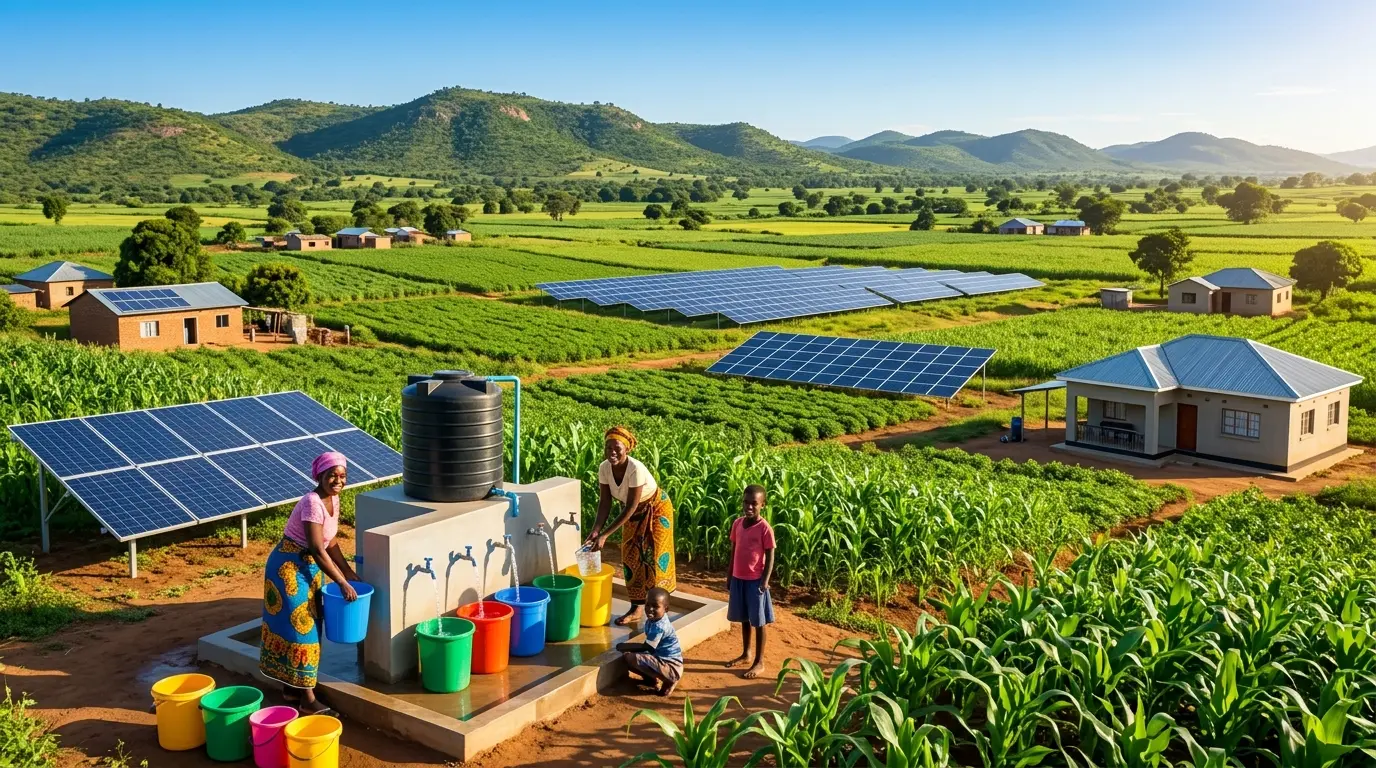
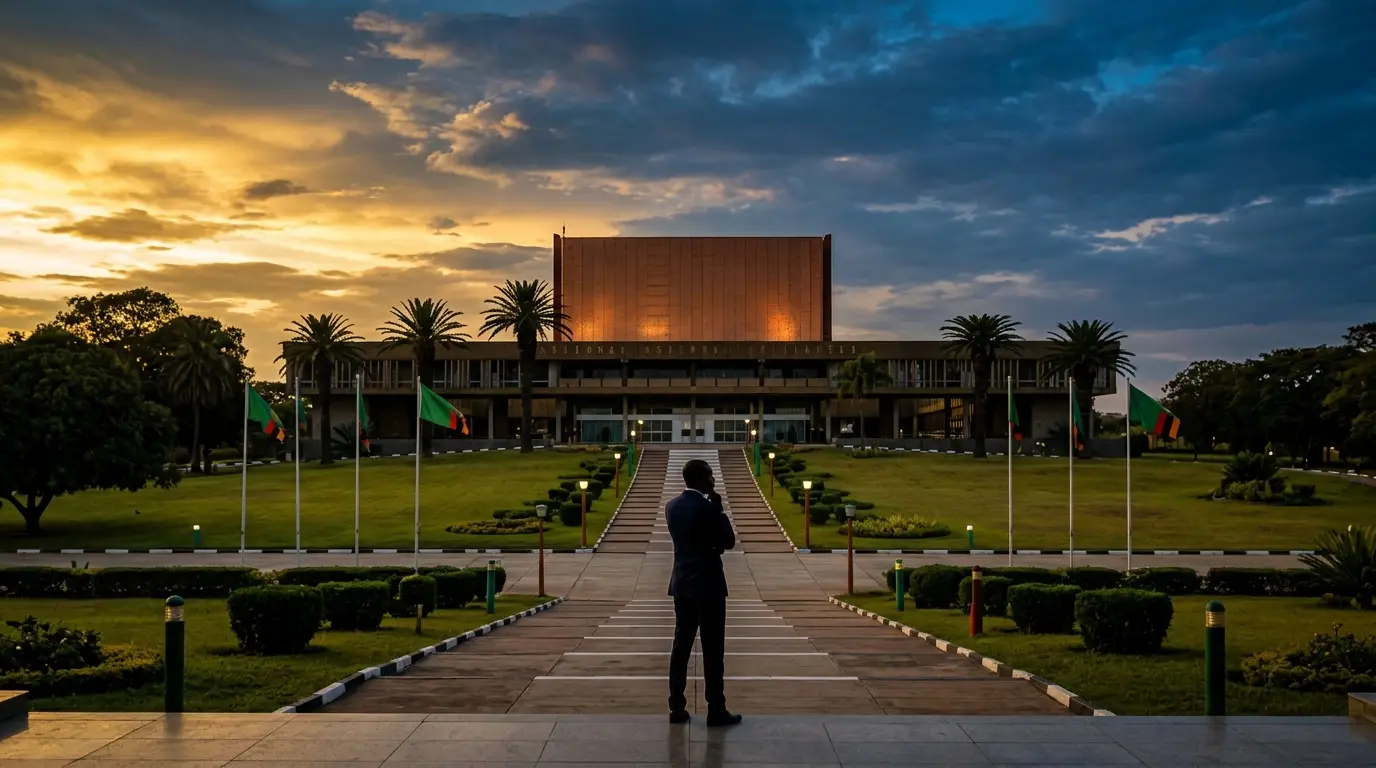
Let’s be entirely honest with each other for a second: watching a politician lay structural economic groundwork is about as thrilling as watching paint dry on a brick wall—in slow motion. When President Hakainde Hichilema (popularly known as "HH") took office in 2021, many Zambians expected money to fall from the sky, prices to plummet by teatime, and personal bank accounts to magically sprout extra zeroes.
Instead, what did we get? Debt restructuring, fiscal consolidation, monetary policy overhauls, and regulatory reform. In short: paperwork. Lots and lots of very high-stakes paperwork.
Now that the dust has settled on the 2026 general elections and President Hichilema has secured his second term, the debate continues. His top contender, Brian Mundubile, put up a fierce fight by appealing directly to voters who felt that five years of UPND rule delivered plenty of speeches, press releases, and balance sheet repairs, but very little change in their physical pockets.
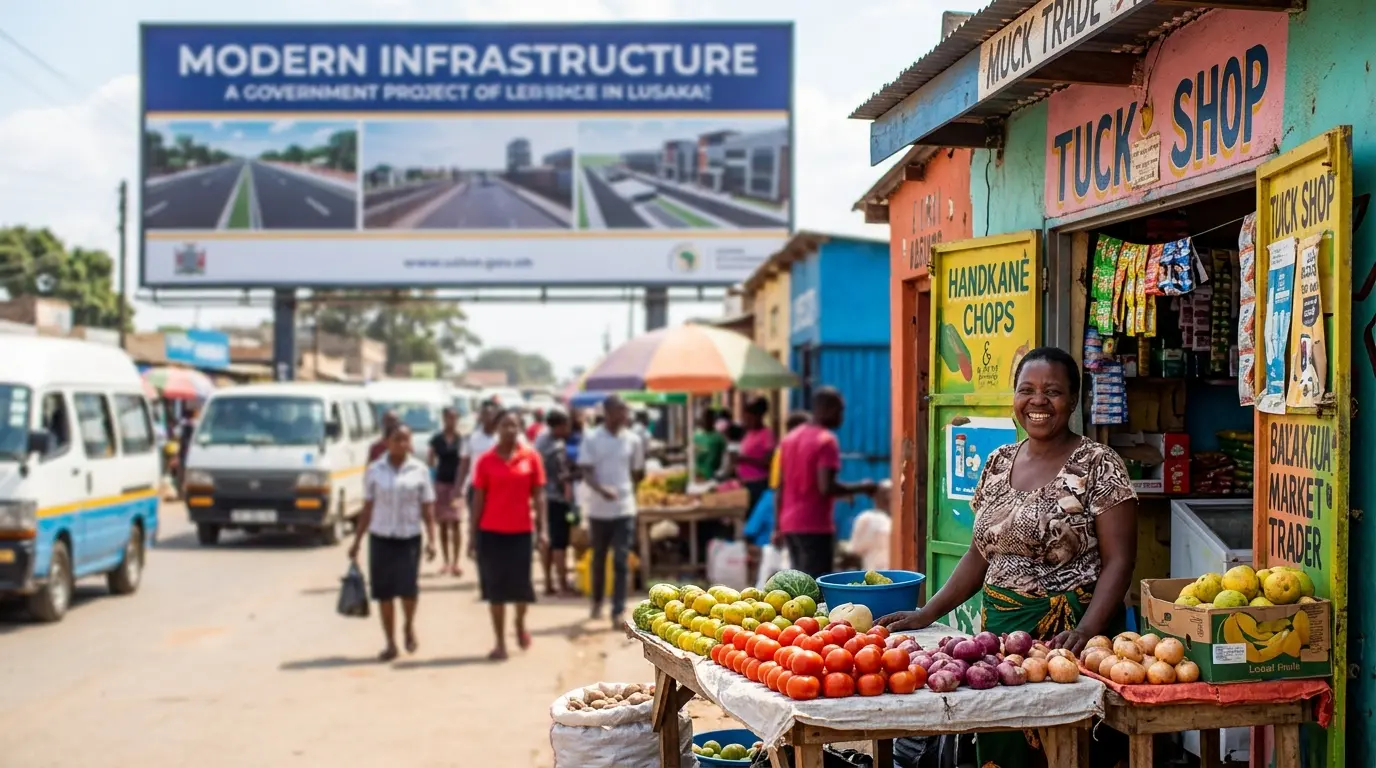
And to be fair to those voters, their frustration isn't baseless. If you can't afford a bag of mealie meal today, reading a glossy pamphlet about sovereign debt yield curves feels like someone offering you a paper napkin when you asked for a full dinner. But giving HH the mantle again wasn’t just a good idea—it was an absolute necessity if we want those paper victories to finally turn into tangible prosperity.
The 2021–2026 Term Delivered What Was Promised (Even If You Couldn't Eat It)
When HH walked into State House in 2021, the national balance sheet looked like a crime scene. Zambia was in default, international lenders wouldn't pick up our calls, inflation was sprinting up the stairs, and the Kwacha was sliding down a slippery slope.
Fixing that required unsexy, painful, and invisible labor. You don’t build a ten-story apartment complex by putting up curtains first; you dig a massive hole, pour tons of concrete, and make sure the foundation won't collapse when a mild breeze hits.
Over his first five years, HH accomplished what economists thought was nearly impossible:
Restructured billions of dollars in Eurobond and bilateral debt.
Restored institutional credibility with international financial markets.
Stabilized central bank policy to rein in runaway inflation.
Massively expanded the Constituency Development Fund (CDF) to decentralized districts.
Was it exciting to watch? Absolutely not. Was it essential? If we wanted to avoid complete economic bankruptcy, yes.
Why the "Paper Development" Divide Happened
There’s a clear divide in how Zambians view the current administration.
Those who have formal education or a baseline understanding of investment economics, macro-financial stability, and fiscal management tend to look at HH’s first term with genuine relief. They understand that without a stable currency, predictable interest rates, and debt relief, no foreign or local business will ever invest enough capital to create long-term jobs.

On the flip side, millions of everyday Zambians—many of whom work in the informal sector and haven't had access to economic training—look at these macroeconomic achievements and ask a simple, valid question: "How does sovereign debt restructuring buy me tomatoes today?"
When you're trying to figure out dinner, hearing that our credit rating moved from "Default" to "CCC+" doesn't fill your plate.
This communication gap is precisely why Brian Mundubile’s campaign gained such traction. Mundubile tapped into immediate, emotional everyday struggles.
But swapping drivers halfway through laying the foundation would have meant abandoning the house before the walls were even built.
Why the Second Term Is Where Paper Turns into Bread
You cannot distribute wealth that doesn't exist, and you cannot grow a real economy on borrowed, unsustainable debt. The first term was about fixing the broken pipes; this second term is about finally turning on the tap.
Now that international confidence is restored and the fiscal foundation is settled, the current administration can focus entirely on microeconomic execution:
Translating foreign direct investment into direct local hires.
Lowering the cost of living through domestic production and energy stability.
Ensuring that local entrepreneurs actually feel the trickle-down benefit of a stable Kwacha.
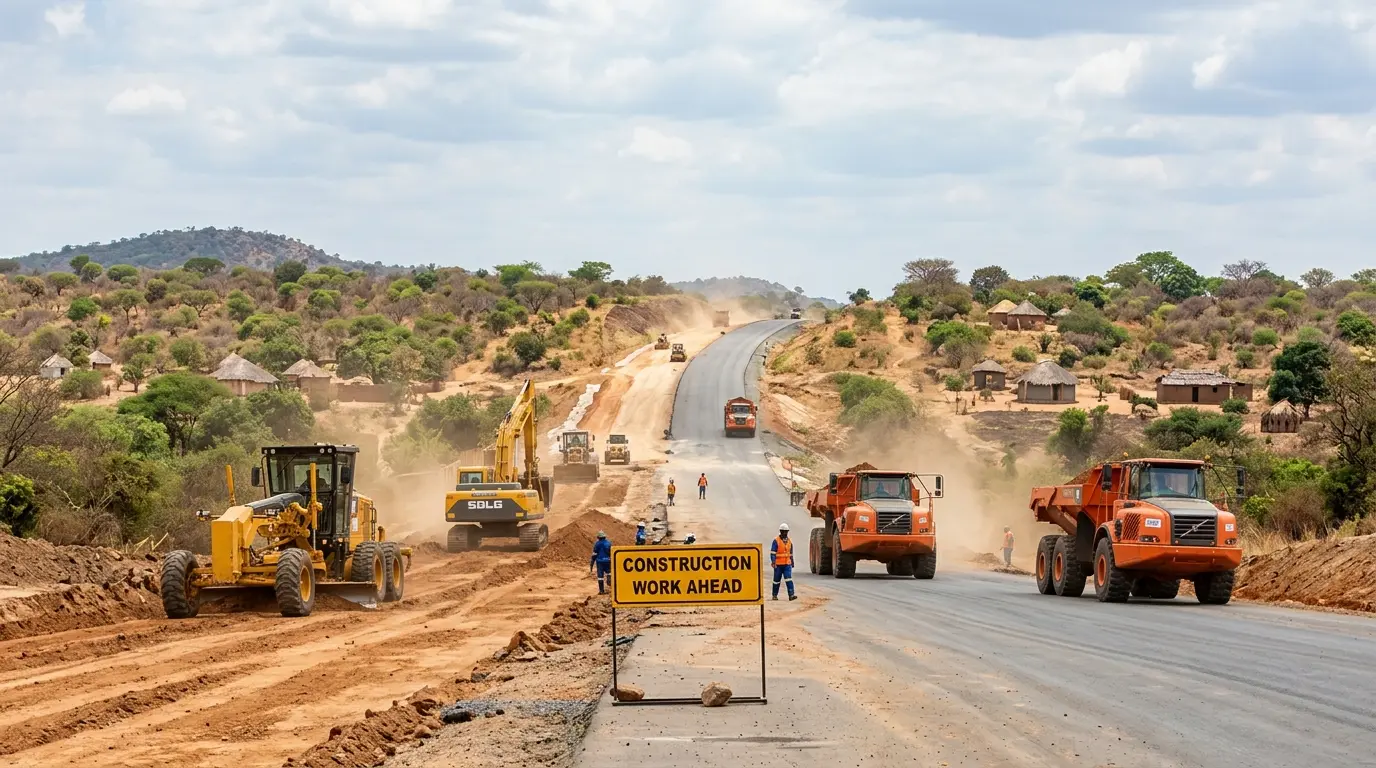
Re-electing Hakainde Hichilema wasn't an endorsement of instant perfection; it was a choice for long-term logic over quick fixes. The foundation is laid. Now it’s time to build the house and hand every citizen their keys.