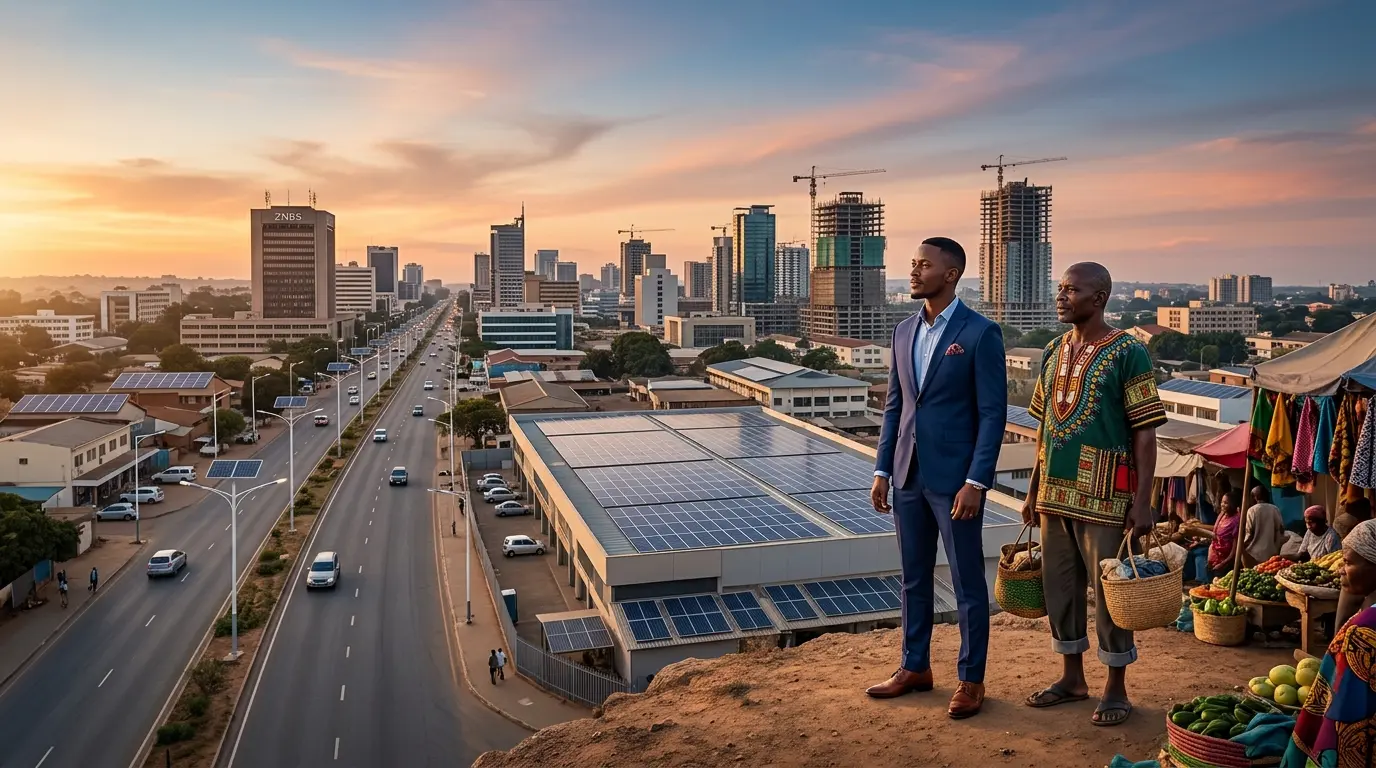
If you ask ten people at a bus stop in Kitwe or a market stall in Lusaka what they think about the national economy, eight of them will likely tell you: "We can't eat debt restructuring!"
And honestly? They are 100% right. You cannot go to a butcher, hand him a printed PDF of an IMF agreement, and walk away with two kilograms of beef.
Because of this, a common belief has taken root across the country: that President Hakainde Hichilema’s economic development exists only "on paper." But calling foundational reform "paper development" is like looking at the blueprints and poured concrete of a house and complaining that there’s no sofa to sit on yet.
Let's break down President Hichilema’s strategy into plain, straightforward terms that make sense without needing a master's degree in economics.
Groundwork Isn't Invisible—It’s Just Underground
When a farmer plants maize, nothing happens above the dirt for days. If you didn't know how farming worked, you might stand over the field shouting, "This farmer is doing nothing! Where is the nshima?"
That is precisely where Zambia was between 2021 and 2026. The administration spent five years doing the deep, unglamorous underground work:
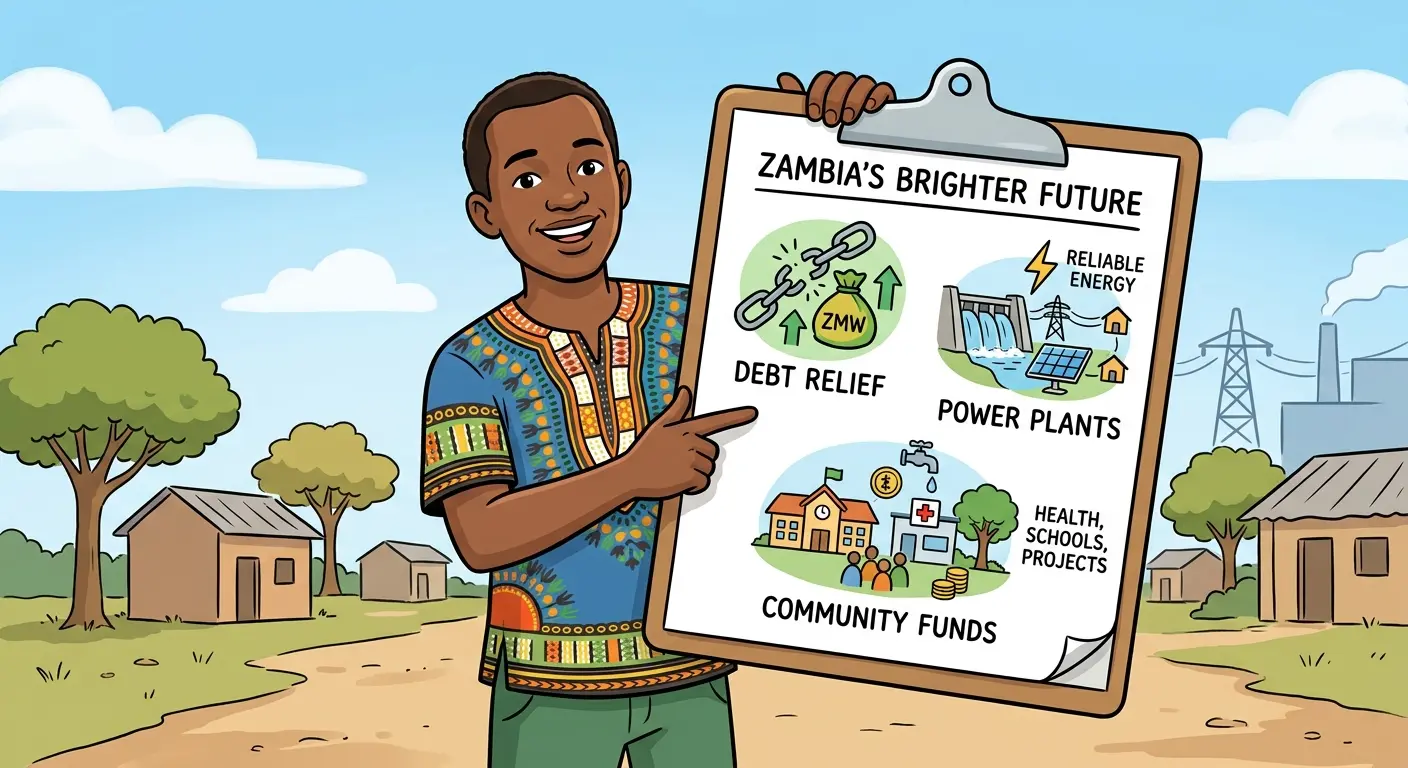
Debt Restructuring: Imagine owing five different aggressive money lenders who threaten to repossess your house every Monday morning. You can't buy groceries because all your salary goes to paying interest. Restructuring means sitting down with those lenders and convincing them to lower the interest and give you 15 more years to pay. Suddenly, you have breathing room to buy food again. That’s what Zambia did on a national scale.
Kwacha Stability & Inflation: Inflation doesn't mean prices fall; it means prices stop jumping up like a hyperactive grasshopper every single week. Currency stability keeps the price of imported fuel and fertilizer predictable so farmers and transporters don't double their rates overnight.
The Power Punch: What’s Really Going On in Maamba?
Let’s talk about electricity, because load-shedding is the fastest way to make everyone lose their temper.
Many people hear about energy projects on the news and get confused about where they are and what they do. Take Maamba, for instance:
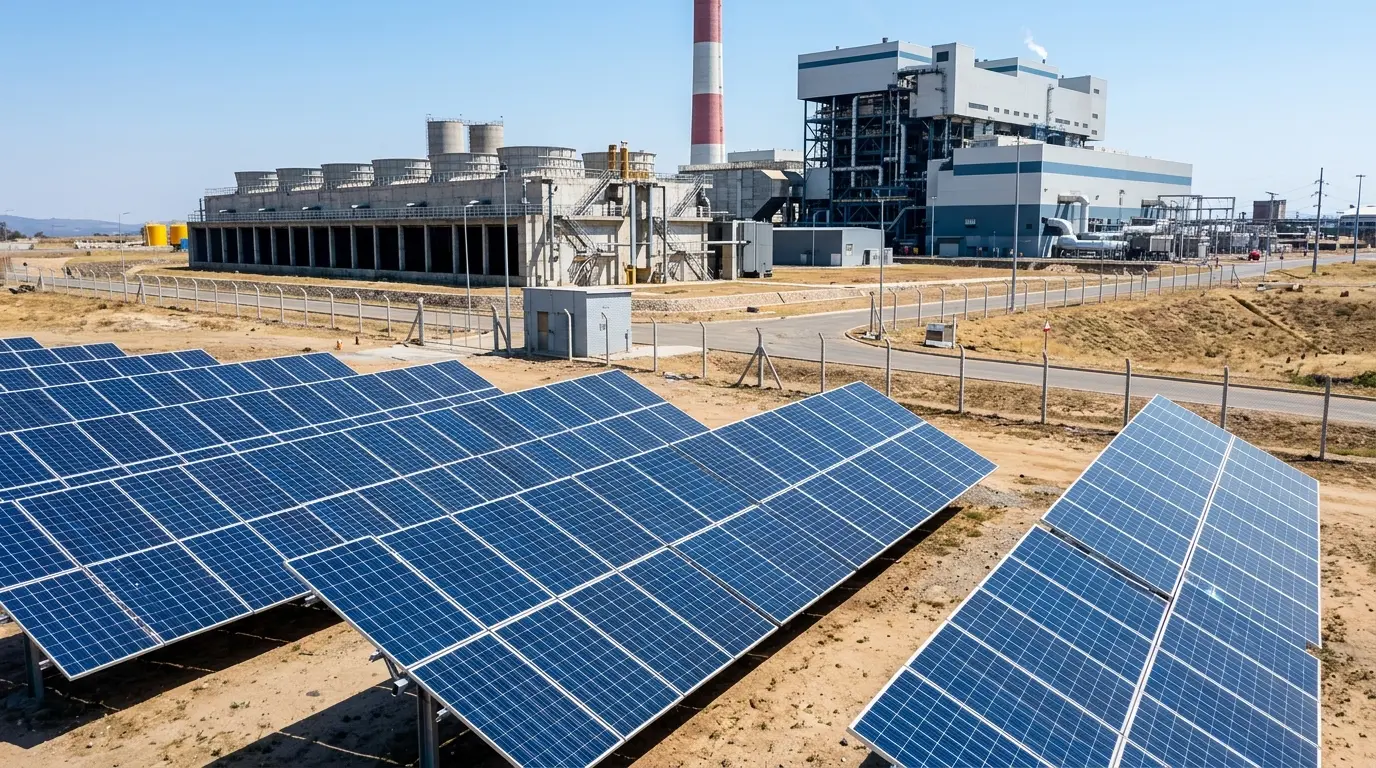
Maamba Coal Expansion (Phase II): Maamba Energy is constructing a major 300 MW coal-fired thermal power expansion project. Coal gives us steady, reliable "baseload" power that doesn't care whether it rained yesterday or not.
Maamba Solar Plant: Right alongside thermal energy, work broke ground on a 100 MW Maamba Solar project to tap into our abundant sunshine.
When you combine coal expansion with new solar plants, you stop relying 100% on Kariba Dam's water levels. The goal? To make sure that when you flip a switch in your salon, barbershop, or welding stall, the lights actually turn on.
The Ultimate Game Changer: Decentralization & The CDF Power Move
For decades, Zambia was run like a strict household where the father (Lusaka) kept all the money in his wallet. If a small primary school in Lundazi or Sesheke needed four desks and a pit latrine, someone had to write a letter, send it to Lusaka, wait three years for a committee to meet, and hope the money didn't vanish along the way.
President Hichilema changed that completely through the Constituency Development Fund (CDF) expansion.
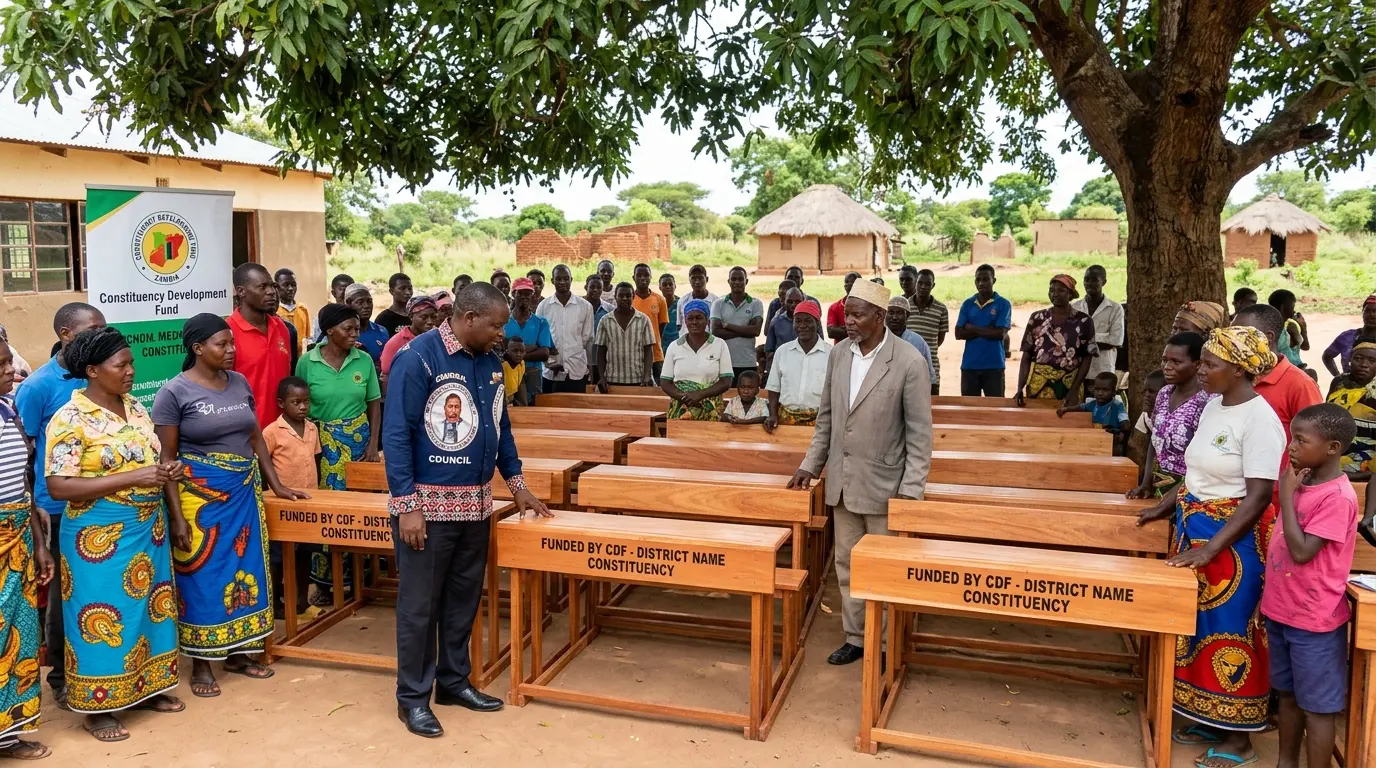
Instead of Lusaka deciding everything, millions of Kwacha are now sent directly to your local constituency every year.
The New Reality: Your local Member of Parliament (MP), ward councillors, and local committee now have the funds directly.
The Misunderstanding: When a community lacks clean borehole water or decent clinic beds today, many citizens still point their fingers at State House in Lusaka.
Here is the truth: The money left Lusaka months ago! If your constituency hasn't built the school, paved the feeder road, or awarded youth skill bursaries, the problem isn't the President—it’s your local CDF committee and district leadership.
Decentralization means local power, which also means local accountability.
Why This Approach Works (And Why Patience Is Required)
Quick-fix development is easy: you borrow billions of dollars, hire foreign contractors to build a shiny bridge in two months, take pictures, and throw a massive party. Five years later, the bridge has cracks, you can't pay back the loan, your national currency collapses, and the inflation dragon comes back to eat your savings.
HH’s strategy is the opposite: fix the money, secure non-hydro energy, send cash to local communities, and create a system where real, sustainable jobs can grow.
It takes longer. It looks like "paperwork" while it’s happening. But when it finishes, it doesn't blow away in the next economic storm.