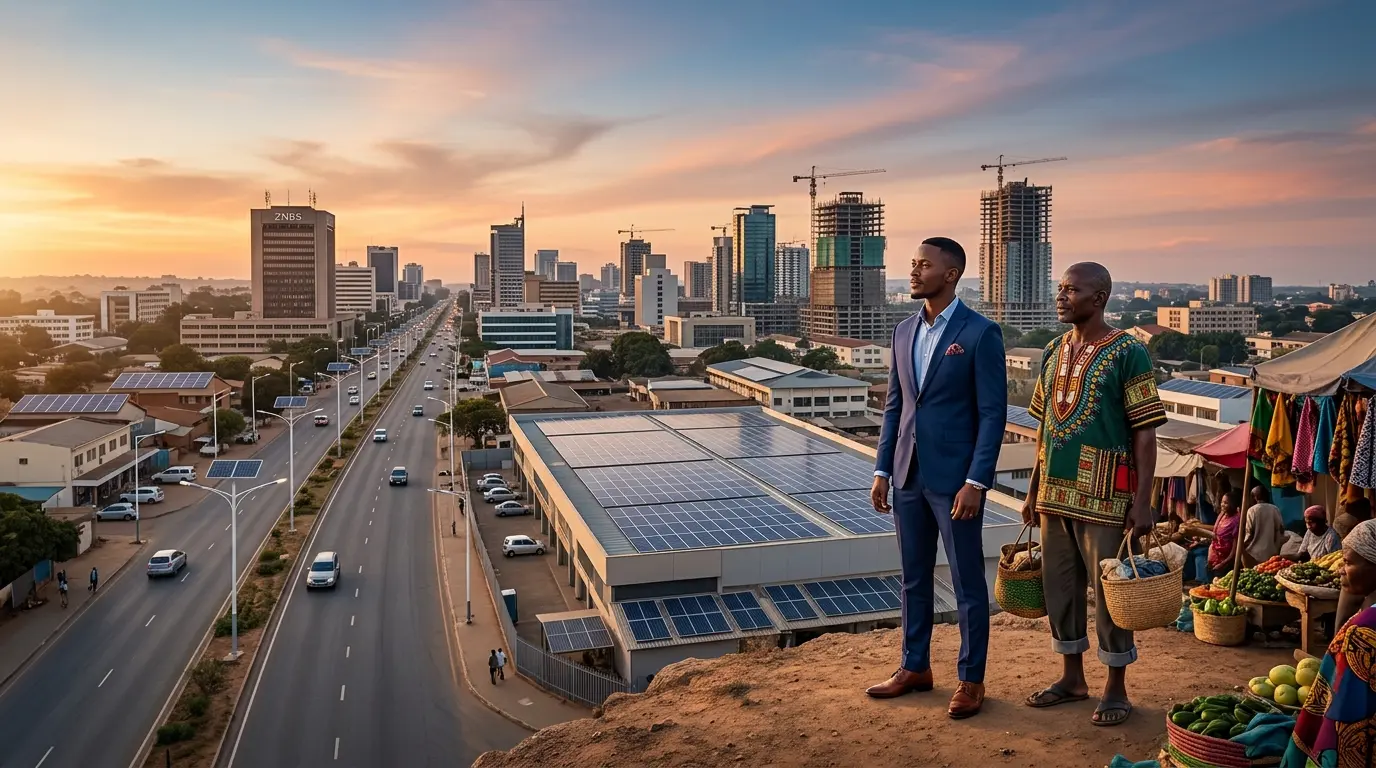
The 2026 presidential election gave us one of the most spirited political showdowns in recent Zambian history. Brian Mundubile, alongside his running mate Makebi Zulu, stepped into the ring and gave incumbent President Hakainde Hichilema a genuine run for his money.
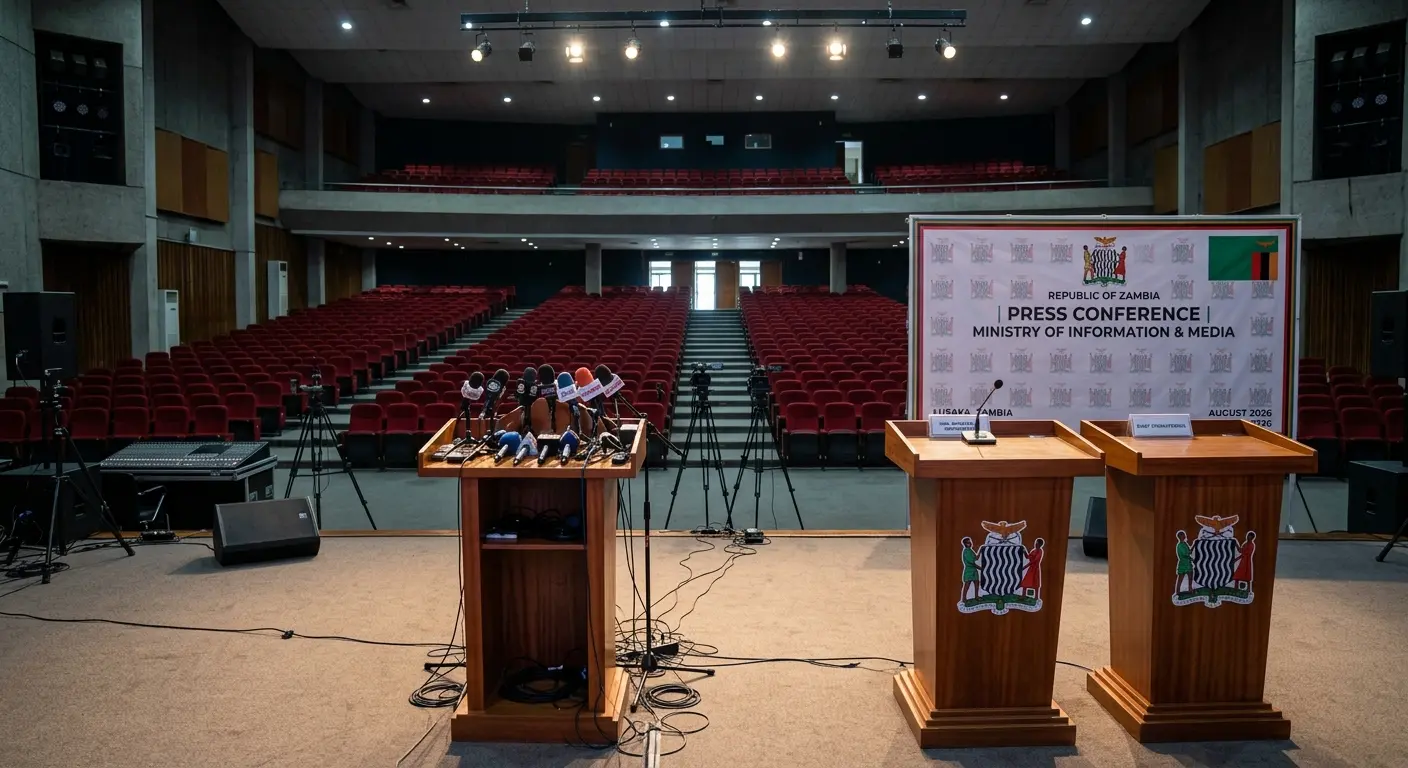
Seeing a strong, vocal opposition challenge the ruling party is healthy. Democracy works best when those in power feel someone breathing down their neck.
However, when you look past the energetic campaign rallies and catchy slogans, a clear truth emerges: Mundubile’s team wasn't ready to govern Zambia in 2026. Losing this election might actually be the greatest favor the voters did for them—if they are smart enough to use this time to build a real party structure instead of just a temporary election vehicle.
Rushing the Stage Without Building the Theatre
Let’s be honest about the state of the main opposition alliance going into 2026. It was an outfit put together in a hurry, plagued by internal disputes, rebranding exercises, and ideological confusion.
Running a country of over 20 million people with complex debt obligations, international trade ties, and intricate domestic needs requires deep institutional structure. You can't assemble a political coalition on a Tuesday and expect to smoothly run a central government by Thursday.
Had they won in 2026, the sheer lack of administrative cohesion would have likely led to policy paralysis. Taking a loss now gives Mundubile and Makebi Zulu five solid years—leading up to 2031—to:
Draft coherent, alternative economic policies (not just anti-UPND complaints).
Build grassroots party structures in all 10 provinces.
Train candidate MPs and local councilors who understand governance.
Will they be guaranteed a win in 2031? Absolutely not. Politics offers zero guarantees. But at least they’d enter that fight as a fully formed political machine rather than an emergency assembly.
The Cadre Ghost: Why Echoes of the Past Won't Win Tomorrow
There was an elephant in the room during Mundubile’s campaign, and it was wearing a bright, aggressive outfit from the past.
Throughout the campaign, promises were made about "bringing back the life we had during President Edgar Lungu's time." To the average voter, that phrase didn't sound like a promise of cheap bread—it sounded like a threat of returning to political violent cadreism.
Zambians have short memories for some things, but nobody has forgotten the era when:
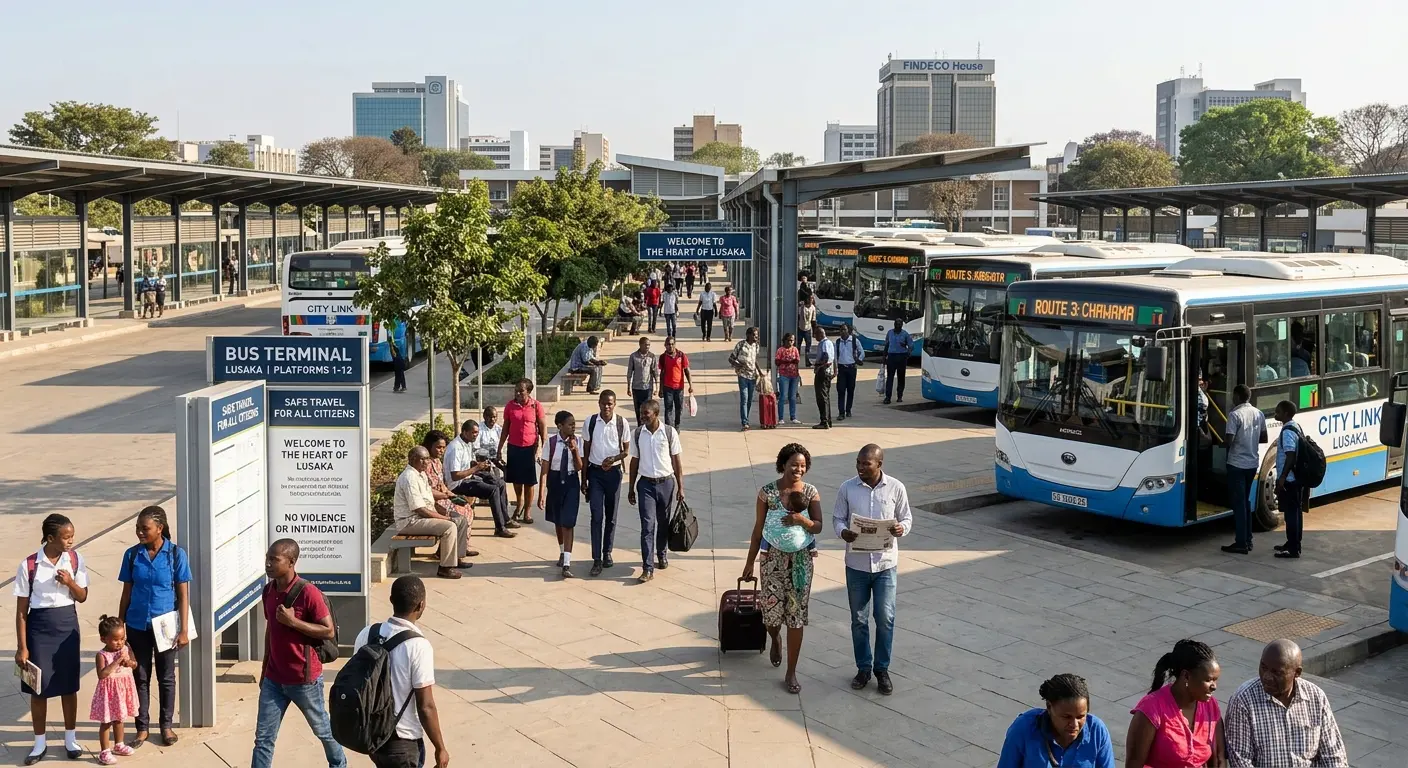
Bus stops and markets were run by political cadres enforcing "taxes."
Opposition voices were met with physical intimidation on the streets.
Sovereign debt was racked up for consumption rather than long-term investment.
When reports and signs surfaced suggesting that elements within the opposition alliance still leaned toward aggressive, old-style political intimidation, it sank their credibility. Zambia has moved past that. Any party that wants to lead this country in 2031 needs to state in plain, unmistakable English that political violence and reckless consumption borrowing are dead and buried.
The Immediate Task: Provide Real Checks and Balances
So, what should Brian Mundubile, Makebi Zulu, and their alliance do right now?
They shouldn't retreat into bitterness or wait until 2030 to start talking to citizens again. Democracy demands an active, intelligent opposition today.
Zambia needs them to:
Hold HH’s government accountable for its promises on local job creation and cost of living.
Scrutinize CDF implementation across all constituencies to prevent local corruption.
Offer constructive criticism in Parliament that forces the ruling party to perform better.
If they do this work consistently over the next five years, they will earn the genuine trust of the electorate. If they spend five years complaining without building, 2031 will yield the exact same result as 2026. The ball is in their court.