If you’ve ever watched your phone screen freeze while trying to send a critical message, you know the painful truth: processing power in Africa has historically felt a bit like waiting for a slow bus in heavy traffic. But while most of us were busy complaining about our battery life, Africa's largest wireless carrier was quietly plotting a massive infrastructure play.
MTN Group officially announced the creation of a brand-new subsidiary called Africa Data Hub Holding Limited alongside its H1 2026 interim financial results. The goal? To aggressively scale artificial intelligence (AI), cloud services, and enterprise digital infrastructure across the continent.
Because let’s face it: AI models aren't running on good vibes and hopes. They need massive server farms, ungodly amounts of power, and enough cooling capacity to keep a small nation chilly.
Here is how MTN is building the heavy-duty digital machinery behind Africa's AI revolution—and why it matters for the entire continent.

The Joint Venture: How to Build Mega Data Centers Without Going Broke
Building high-density data centers engineered to handle heavy AI workloads is notoriously, eye-wateringly expensive. It requires the kind of capital expenditure that makes even massive telecommunication boards double-check their bank accounts.
Instead of footing the entire bill alone, MTN joined forces with an undisclosed United Arab Emirates (UAE)-backed data center investment platform. Think of it as a high-stakes tech marriage: MTN brings the deep regional expertise and local footprint, while the UAE partner brings massive investment capital.
Here’s how the joint venture breaks down:
Ownership Structure: MTN will retain a minority stake in Africa Data Hub Holding. The UAE partner is stepping in with majority capital backing and specialized technical muscle to share the financial heavy lifting.
Ambitious Target Capacity: The joint initiative is targeting an initial capacity of 150 megawatts (MW) of IT load. To put that in perspective, 150 MW is enough electrical juice to power tens of thousands of homes, or run a whole lot of hungry AI algorithms all at once.
Asset Contribution: MTN isn't coming to the table empty-handed. The venture merges MTN's massive local footprint, existing infrastructure, and regional connectivity. For context, MTN's digital infrastructure division generated a cool ZAR 2.3 billion in revenue in the first half of 2026 alone.
By bringing in a deep-pocketed international partner, MTN effectively shifts its digital infrastructure operations into a capital-efficient growth vehicle—scaling up fast without draining its own balance sheet.
Priority Markets: Lagos and Gauteng Take Center Stage
When you're rolling out a multi-country infrastructure campaign, you don't start in the middle of nowhere. You launch in the heaviest economic engines on the continent.
┌───────────────────────────────────────┐
                │   Africa Data Hub Holding Limited     │
                └───────────────────┬───────────────────┘
                                    │
                  ┌─────────────────┴─────────────────┐
                  ▼                                   ▼
        ┌───────────────────┐               ┌───────────────────┐
        │   Nigeria 🇳🇬      │               │  South Africa 🇿🇦  │
        │ • Sifiso Dabengwa │               │ • Centurion Node  │
        │   Data Centre     │               │ • Core Expansion  │
        │ • $240M / Tier IV │               │   in Gauteng      │
        └───────────────────┘               └───────────────────┘
1. Nigeria 🇳🇬
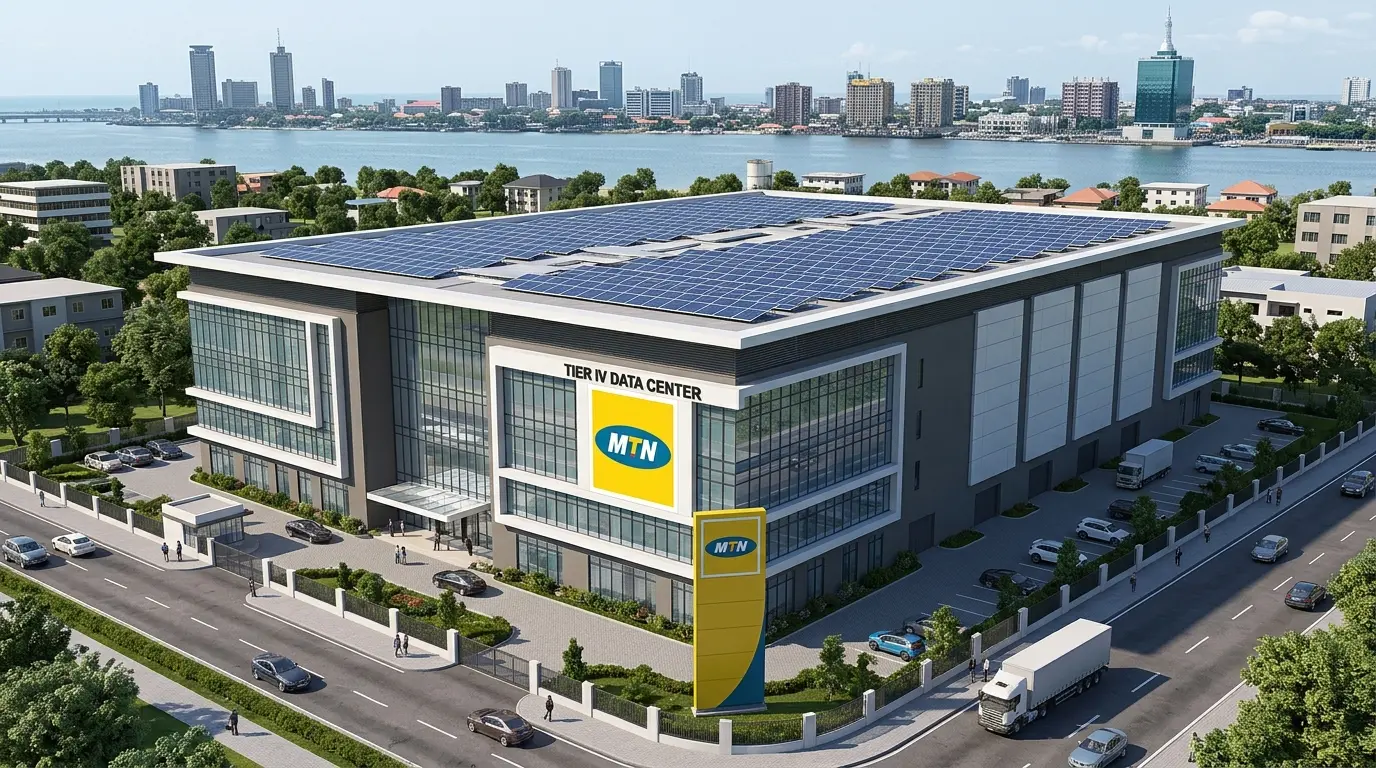
Nigeria serves as the cornerstone of this strategic deployment. MTN previously inaugurated the first phase of its Sifiso Dabengwa Data Centre in Lagos. The overall development carries a price tag of $240 million and is being engineered for advanced Tier IV fault-tolerance and high-density AI processing readiness. In plain English: if a power grid stutters, this facility barely blinks.
2. South Africa 🇿🇦
Down south, the rollout focuses on scaling up existing domestic data center footprints. The primary expansion leverages core network hubs like MTN's massive facility in Centurion, Gauteng, turning existing nodes into AI-ready powerhouses.
The AI Gold Rush Meets Fiber Backbones
Why is everyone suddenly sprinting to plant data centers in African soil? Because the numbers involved are absurd.
Africa’s artificial intelligence market is projected to skyrocket from $4.5 billion to $16.5 billion by 2030. Every sector—from fintech algorithms in Nairobi to agritech models in West Africa—needs raw computing power located locally to reduce latency and keep data within continental borders.
┌─────────────────────────────────────────────────────────────┐
       │                   THE DIGITAL ECOSYSTEM                     │
       ├──────────────────────────────┬──────────────────────────────┤
       │  Subsea & Terrestrial Fiber  │  Bayobab 7,400km East2West   │
       ├──────────────────────────────┼──────────────────────────────┤
       │  Data Center Hubs            │  150 MW AI-Ready Facilities  │
       ├──────────────────────────────┼──────────────────────────────┤
       │  Edge Infrastructure         │  AI-Native RAN Edge Nodes    │
       └──────────────────────────────┴──────────────────────────────┘
The new AI hubs don't exist in isolation; they integrate seamlessly into a broader web of digital plumbing:
Network Synergy: The data centers connect directly into Bayobab, MTN’s dedicated fiber subsidiary. This includes integrating with massive projects like the 7,400km East2West subsea cable system, ensuring data zips between countries at the speed of light.
Edge Computing: They also align with investments in AI-native Radio Access Network (RAN) edge-computing, bringing intelligent processing closer to the actual mobile user rather than bouncing requests across continents.
Competitive Reality: Rivals aren't sitting around taking naps, either. Competitors like Airtel Africa (with its Nxtra data center arm) and global hyperscalers are aggressively planting their own flags. MTN’s partnership ensures it isn't just participating in the race—it's trying to lead the pack.
The Bottom Line
Building high-density, AI-ready infrastructure isn't glamorous work. It requires thousands of miles of fiber, massive generators, concrete bunkers, and heavy capital investments.
By creating Africa Data Hub Holding Limited with a UAE-backed investment platform, MTN is setting up the physical foundations for Africa's digital future.
Whether you're a startup training your first machine learning model or a giant bank processing millions of daily transactions, the computing muscle driving it is moving much closer to home.