Let’s get something straight right off the bat: The Big Bang Theory is a hugely entertaining sitcom. But as someone who respects strong narrative construction, I have a bone to pick with whoever was in charge of naming this show.
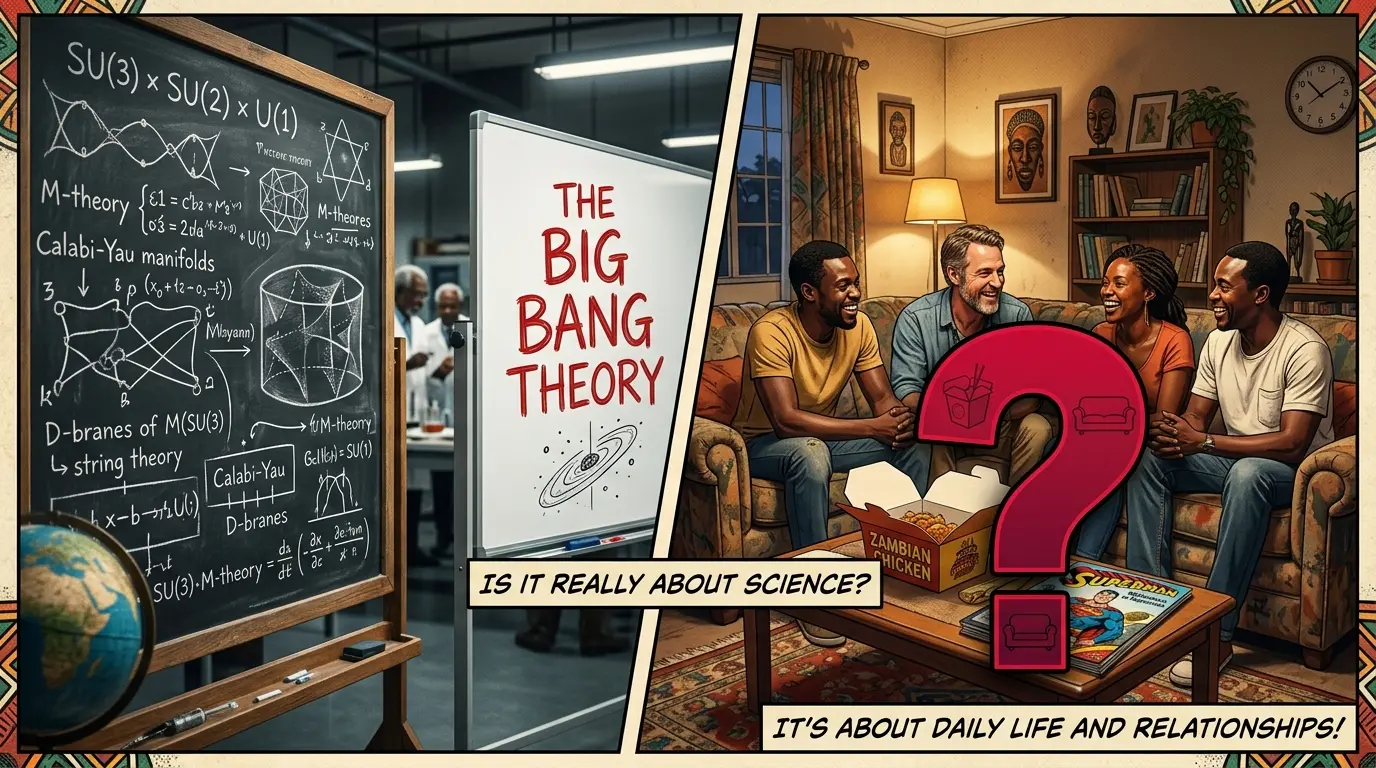
Why on earth was it called The Big Bang Theory?
Sure, the phrase pops up occasionally in casual cafeteria banter over mystery-meat lunches, and yes, the theme song by Barenaked Ladies rushes us through cosmic history at breakneck speed. But let’s be real—the story itself has almost nothing to do with astrophysics or cosmological origins.
At its core, the show is simply about four brilliant geeks navigating their careers, awkward social lives, and messy romantic endeavors. It’s a classic "geeks find love" story. The show doesn't try to evangelize, force-feed science, or convince anyone to adopt a specific worldview, which is great. But here is the problem: a title that heavy carries baggage.
Personally, I don't believe in the Big Bang theory or evolution at all. Because of the title, I wrote the series off completely for years. Why would I tune into a show that sounds like a 22-minute weekly science lecture? It wasn't until I fell in love with Young Sheldon and saw a barrage of hilarious clips floating around online that I finally gave the parent show a shot. And lo and behold, I realized I’d been misled by bad branding.
The title has the genuine potential to turn away millions of prospective viewers who hold similar views. But misleading titles aside, once you get past the name, an even bigger storytelling missed opportunity reveals itself.
The Title Problem: When Branding alienates the Audience
Naming a television show is a delicate art. A great title sets expectations, captures the tone, and invites viewers in. A bad title builds an unnecessary barrier.
When you name a show The Big Bang Theory, you immediately signal to the average channel-surfer: "Hey! Unless you are deeply invested in theoretical physics, this isn't for you!"
If a show was called The Organic Chemistry Chronicles, you wouldn't expect a fun ensemble comedy about roomies eating Thai food on a leather sofa; you’d expect a lecture. The Big Bang Theory accidentally alienated an entire demographic of viewers who simply had no interest in cosmic origin theories.
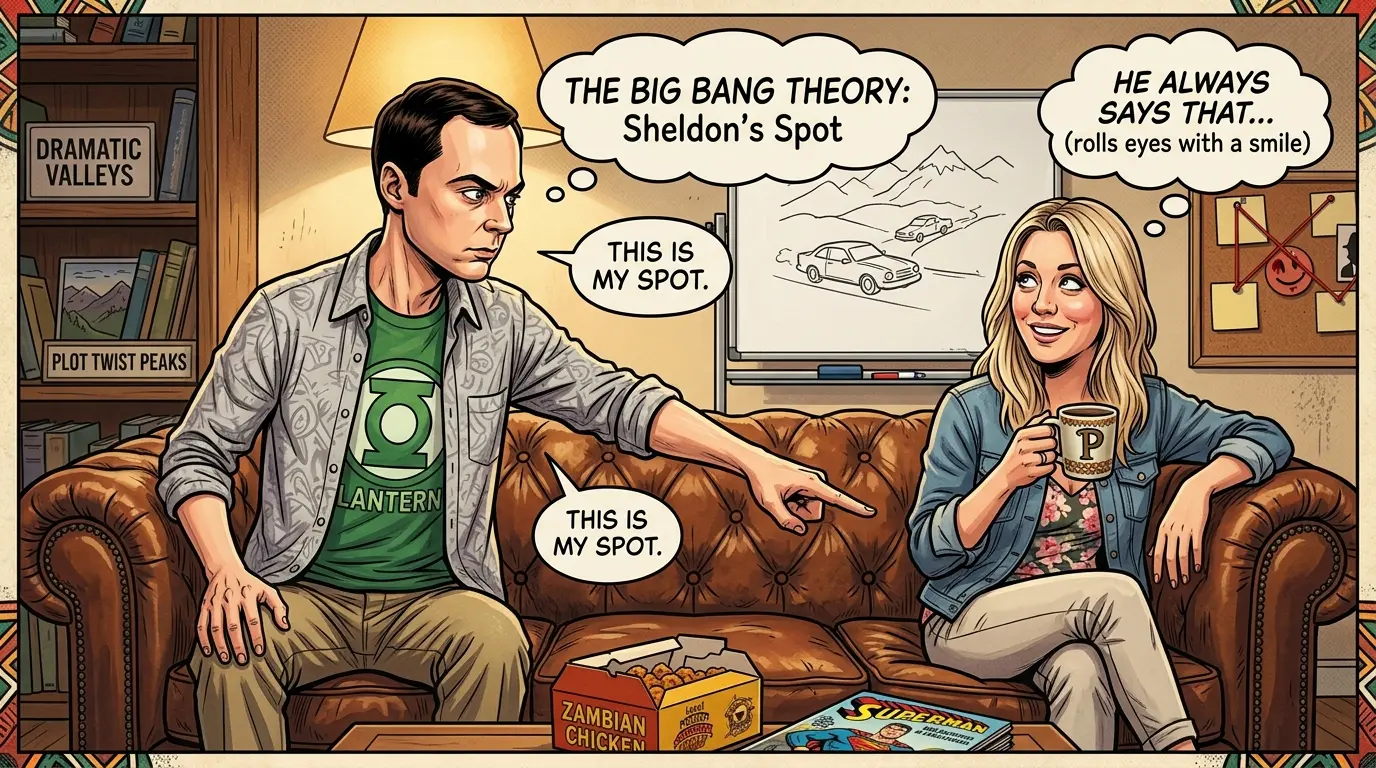
The ironic part? The show itself is incredibly accessible! You don't need a PhD from Caltech to understand Sheldon losing his mind over someone sitting in "his spot" or Howard attempting to flirt using terrible magic tricks.
It makes you wonder how many incredible sitcoms are sitting in streaming archives right now, ignored purely because their marketing department picked a title that completely misrepresents the actual narrative.
The Romance We Were Robbed Of: Sheldon and Penny
Now, since nobody else seems brave enough to say this out loud, I am going to say it: The show would have been infinitely better if Sheldon and Penny were the ones who fell in love.
I know, I know. Hardcore fans will scream, "But Leonard and Penny are destiny!" or "What about Amy Farrah Fowler?!"
Hear me out. I remember scrolling through a clip online once and reading a comment from a viewer quietly wishing for a Sheldon-Penny romance. Nobody was shouting it from the rooftops, but the narrative logic is undeniable. Pairing Sheldon and Penny would have created a masterclass in dynamic storytelling.
Think about the classic contrast:
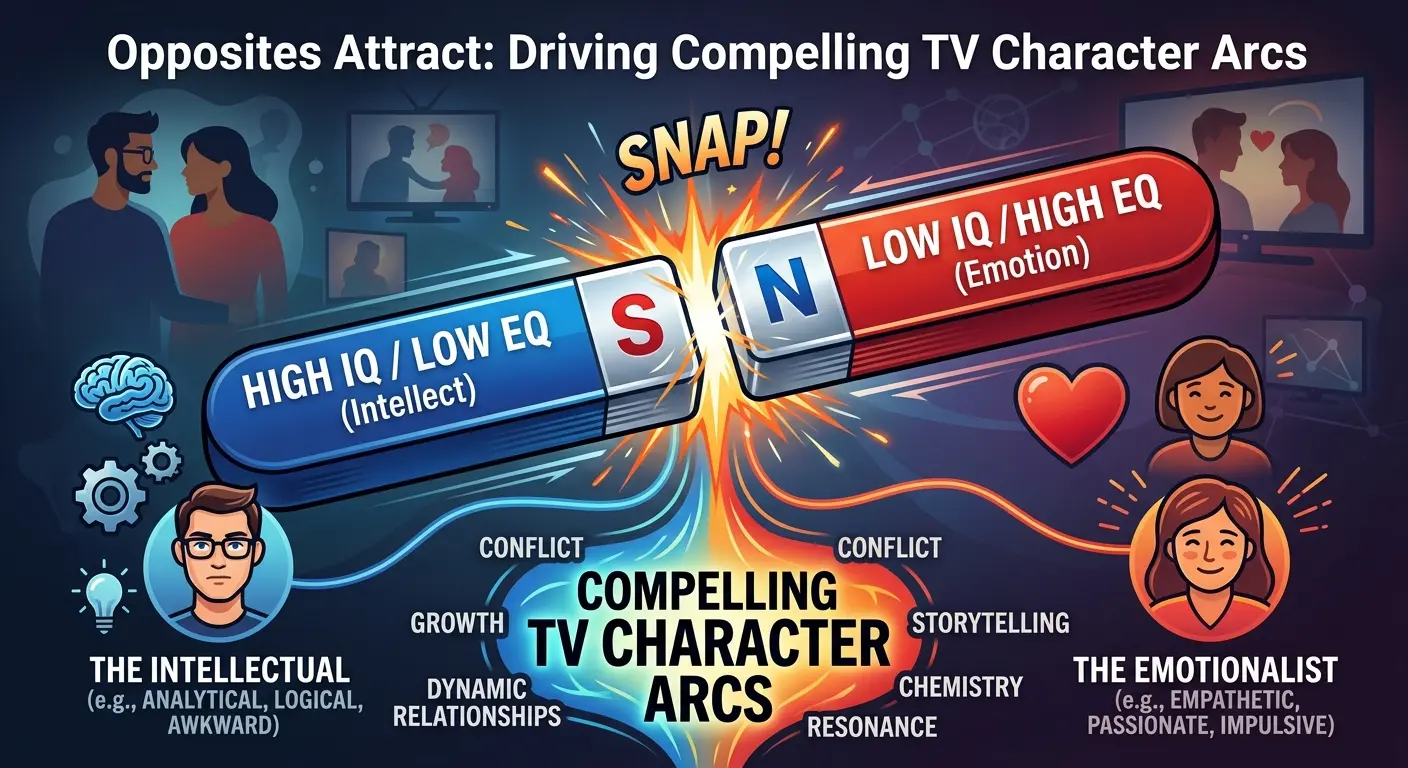
Sheldon: Astronomically high IQ, but practically zero EQ (Emotional Intelligence). He can calculate the trajectory of an asteroid on a napkin, but can't detect sarcasm if it hits him in the face.
Penny: Low academic/scientific IQ relative to the group, but off-the-charts high EQ. She understands human nature, social cues, street smarts, and emotional nuance effortlessly.
When you put those two forces together in a romantic arc, you get built-in dramatic tension, organic comedy, and profound character growth. Sheldon teaches Penny to appreciate structure and intellect; Penny teaches Sheldon how to actually be a human being who feels emotion. That is high-level television writing right there.
Instead, what did the show give us?
Penny gets paired with Leonard, who spends years consumed by insecurity and desperate validation-seeking. Meanwhile, Sheldon gets paired with Amy—someone who shares his exact high-IQ, low-EQ profile.
Sure, Sheldon and Amy share hobbies and neuroses, but watching two hyper-intellectual geeks navigate a relationship isn't nearly as interesting as watching total opposites collide and complement each other.😄
Why Opposites Attract Makes Superior TV: The Scorpion Blueprint
If you want proof of how well the "Opposites Attract" dynamic works when executed properly, look no further than Scorpion—hands down my absolute favorite American action-drama series.
In Scorpion, you have Walter O'Brien—a man with a 197 IQ who struggles deeply with emotional empathy and social connection. Enter Paige, a normal waitress with high emotional intelligence who acts as a translator between Walter’s genius team and the real world.
Watching Walter learn to deal with his feelings, step outside his rigid comfort zone, grow as a human being, and eventually fall for Paige is phenomenal storytelling. They like completely different things, exist in entirely different worlds, and yet they pull each other toward balance. They grow together.
That’s the spark The Big Bang Theory missed out on by keeping Sheldon locked in his comfortable intellectual bubble. Imagine 12 seasons of Sheldon Cooper genuinely wrestling with romantic feelings for a woman who doesn't care about comic books or theoretical physics, but who forces him to grow an emotional backbone.
That wouldn't just be good TV—it would be legendary teleplay writing.
Great Comedy, Missed Opportunities
At the end of the day, The Big Bang Theory achieved massive commercial success, and it certainly gave us plenty of laughs over its long run. It proved that a sitcom centered on awkward academics could dominate global television ratings.
But as a viewer who appreciates structural depth, I’ll always look at the show with a mix of enjoyment and curiosity. A miscalculated title almost kept me from watching it entirely, and a safe approach to romance kept it from reaching its true narrative potential.
If you’ve been avoiding the show because of its scientific title like I did, give it a shot—just ignore the name, enjoy the banter, and spend a few episodes daydreaming about the high-IQ/high-EQ romance we truly deserved!