If you grew up during the golden era of Nickelodeon, chances are you can still sing along to the Big Time Rush theme song.
Make it count, play it straight
Don't look back, don't hesitate
It’s catchy, hype, and undeniably iconic. But if you try to sit down in the cold light of adulthood and actually watch an entire 22-minute episode of Big Time Rush, you quickly realize a painful truth:
The music is the ONLY thing keeping this show from being a total crime against comedy.
Between the relentless cartoon sound effects (every time someone turns their head, cue the whoosh sound!), the wild arm-flailing, and actors delivering lines like they’re trying to communicate with astronauts on Mars without a microphone, Big Time Rush suffers from a severe case of Exaggerated Acting Syndrome.
They are trying so hard to be funny that it physically hurts to watch.
So why did Big Time Rush age like milk left out in the summer sun, while a show like Nickelodeon’s School of Rock TV adaptation actually managed to get comedy right? Let's break down the mechanics of screen humor, real stakes, and why deadpan seriousness will always beat over-the-top screaming.

The Golden Rule of Comedy: Stop Trying to Be Funny!
Whether it's written in the script, forced by the director, or just executed by eager young actors, Big Time Rush suffers from the most fatal flaw in comedy: the characters know they are in a joke.
When actors strain to make funny faces, scream their dialogue, and jump around the room to force a laugh, the joke dies on arrival. True comedy magic happens when characters are taking absurd situations 100% seriously.
[ Forced Slapstick (BTR) ]   ──► Actor Screams ──► Sound Effect ──► Cringe / Zero Laughs
[ Grounded Comedy (SoR) ]    ──► High Stakes   ──► Deadpan Action ──► Genuine Hilarity
Think of Rowan Atkinson in the Johnny English movies. Johnny English isn’t winking at the camera or making silly faces to tell you he's funny. He genuinely, sincerely believes he is the most smooth, elite secret agent on planet Earth—even while he's accidentally launching a rocket into his own support vehicle!
Because he is completely serious, we burst out laughing when the situation explodes.
In Big Time Rush, Kendall, James, Carlos, and Logan are constantly wiggling, screeching, and over-reacting to minor inconveniences like four golden retrievers who consumed way too much espresso. Instead of landing jokes, it just leaves you cringing until the next musical performance starts.
Why 'School of Rock' Is Nickelodeon’s Underrated Masterpiece
If you want to see a Nickelodeon music-based show done right, look no further than the School of Rock television series—easily one of the best shows the network ever produced.
There’s even a fascinating actor connection between the two universes! Kendall Schmidt (who leads the central boy band in Big Time Rush) shows up in School of Rock playing the leader of rival band Night Sun. Seeing him as a younger boy in Big Time Rush versus a fully grown adult running a rival band in School of Rock really highlights the passage of time—even if it doesn't excuse the exaggerated acting style of his earlier show.
[ Kendall Schmidt in BTR ]          ──► Young boy in chaotic slapstick universe
[ Kendall Schmidt in School of Rock ] ──► Adult leader of rival band 'Night Sun'
So what makes School of Rock miles better than Big Time Rush? It comes down to two major narrative elements: Real Stakes and Real Subplots.
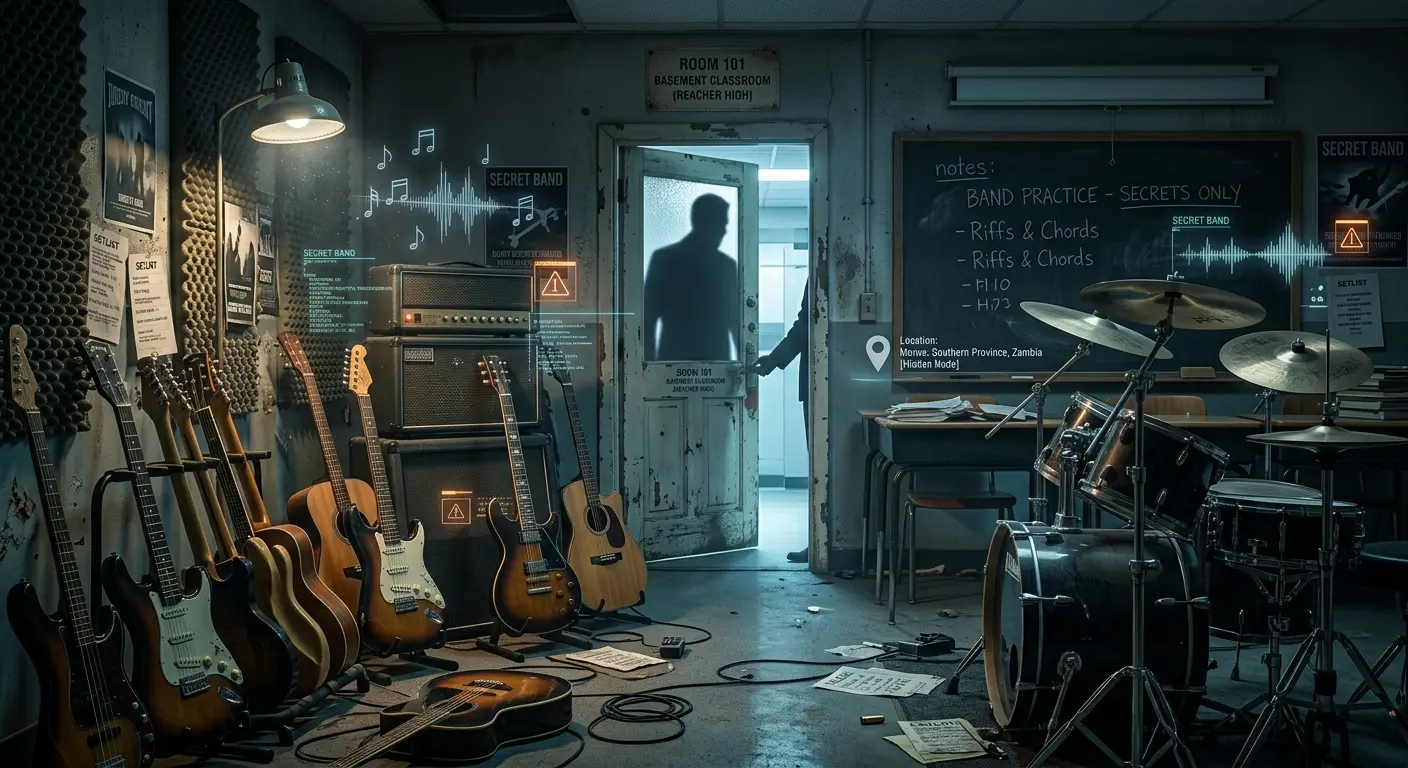
1. High Stakes: The Suspense of the Secret Band
In Big Time Rush, the stakes are rarely genuine. Oh no, Gustavo is angry! Oh no, the boy band might lose their pool privileges at the Palm Woods! It’s hard to care when you know everything will reset to normal in 20 minutes regardless of what happens.
School of Rock, however, built its entire premise on an ongoing, high-wire suspense act: The band's existence is a total secret.
They are operating right under the nose of their strict principal, Mr. Mullins. At any given second, one wrong guitar riff or poorly timed rehearsal could get them busted, suspended, and separated forever. That built-in narrative tension gives every single episode a heartbeat.
The characters aren’t just goofing off—they are constantly scrambling to protect their secret, which makes their frantic actions grounded and genuinely hilarious!
2. Subplots We Actually Care About (The Summer & Freddy Dynamic)
A great comedy needs more than just jokes and killer music—it needs emotional glue.
School of Rock gave audiences a rich, slow-burn romance subplot between Summer and Freddy that kept viewers hooked. It wasn't a cheap, one-episode gimmick. It had actual dynamic evolution:
Phase 1: Summer harbors a massive crush on Freddy; Freddy is completely oblivious and just wants to play drums.
Phase 2: Summer finally gets tired of waiting, loses interest, and decides to move on.
Phase 3: Suddenly, Freddy realizes what he had, panics, and realizes he likes her!
[ Summer Likes Freddy ] ──► ( Freddy Oblivious ) ──► [ Summer Moves On ] ──► [ Freddy Panics & Realizes Feelings ]Watching this push-and-pull dynamic gave the audience a real reason to stay invested. You come for the rock covers, you stay for the laugh-out-loud comedy, and you root for the characters because their relationships feel real.

Fast-Forwarding to the Songs: The BTR Survival Strategy
To give credit where credit is due: The music in Big Time Rush is absolute fire.
"Boyfriend," "Til I Forget About You," "Worldwide," and the opening theme song are legitimate pop bangers that still hold up years later. The production was tight, the harmonies were clean, and the songs were insanely catchy.
The problem is the agonizing 18 minutes of screaming, wall-bouncing, and exaggerated mugging you have to endure between those song segments!
Watching Big Time Rush today feels like an endurance test. You spend most of the episode hovering your thumb over the fast-forward button, muttering, "Please, just get to the music studio scene already."
Sure, you can try to excuse Big Time Rush by pointing out that it's an older show from a different era of early-2010s kid TV. But age isn't an excuse for bad comedic execution. Good comedy built on real character reactions is timeless; over-acted slapstick screams expire the moment you turn 14.
The Final Takeaway
At the end of the day, Big Time Rush gave us a playlist of legendary pop tracks that will live on in our nostalgia playlists forever.
But as a television comedy? It relied way too heavily on exaggerated faces, loud noises, and actors trying entirely too hard to make us laugh.
If you want a masterclass in how to make a music-centered sitcom with real stakes, great subplots, and comedy that lands because the characters actually take their world seriously, skip the Palm Woods hotel and go rewatch School of Rock.
Your ears—and your sense of humor—will thank you!